粋と遊び心が交差する、ものづくりのの舞台裏 対談:太田和彦 × 青柳徳郎粋と遊び心が交差する、ものづくりのの舞台裏 対談:太田和彦 × 青柳徳郎粋と遊び心が交差する、ものづくりのの舞台裏 対談:太田和彦 × 青柳徳郎

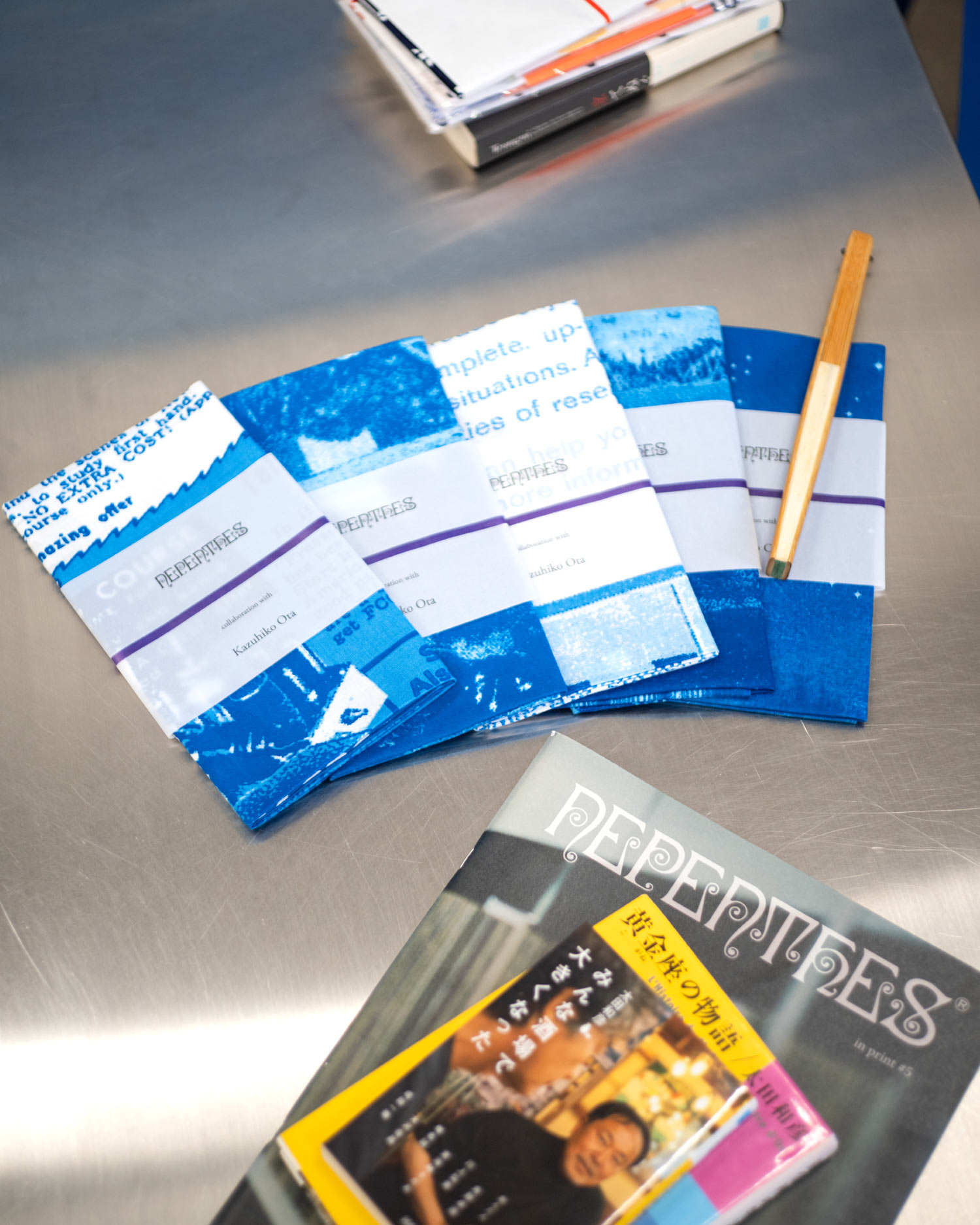
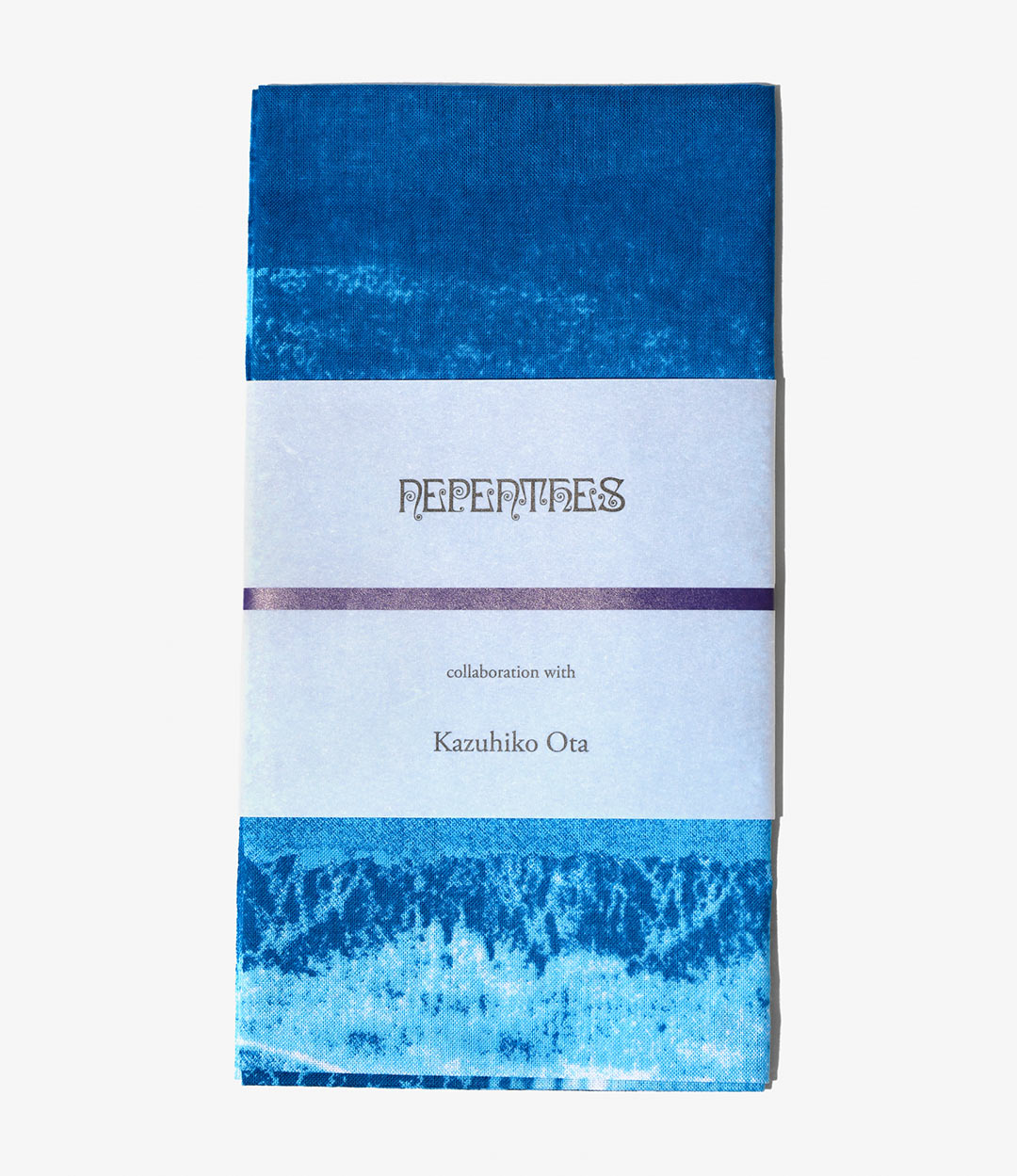
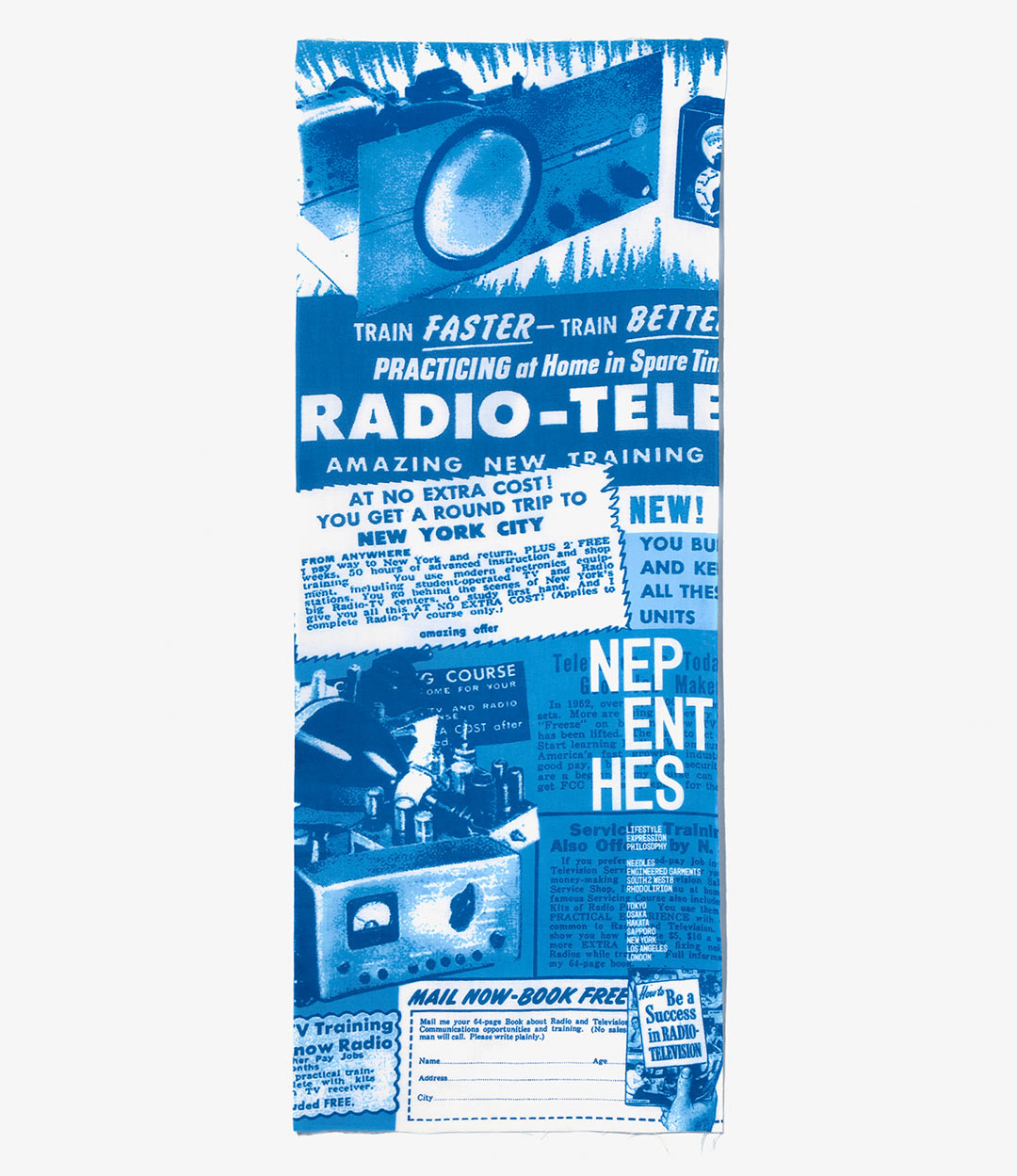
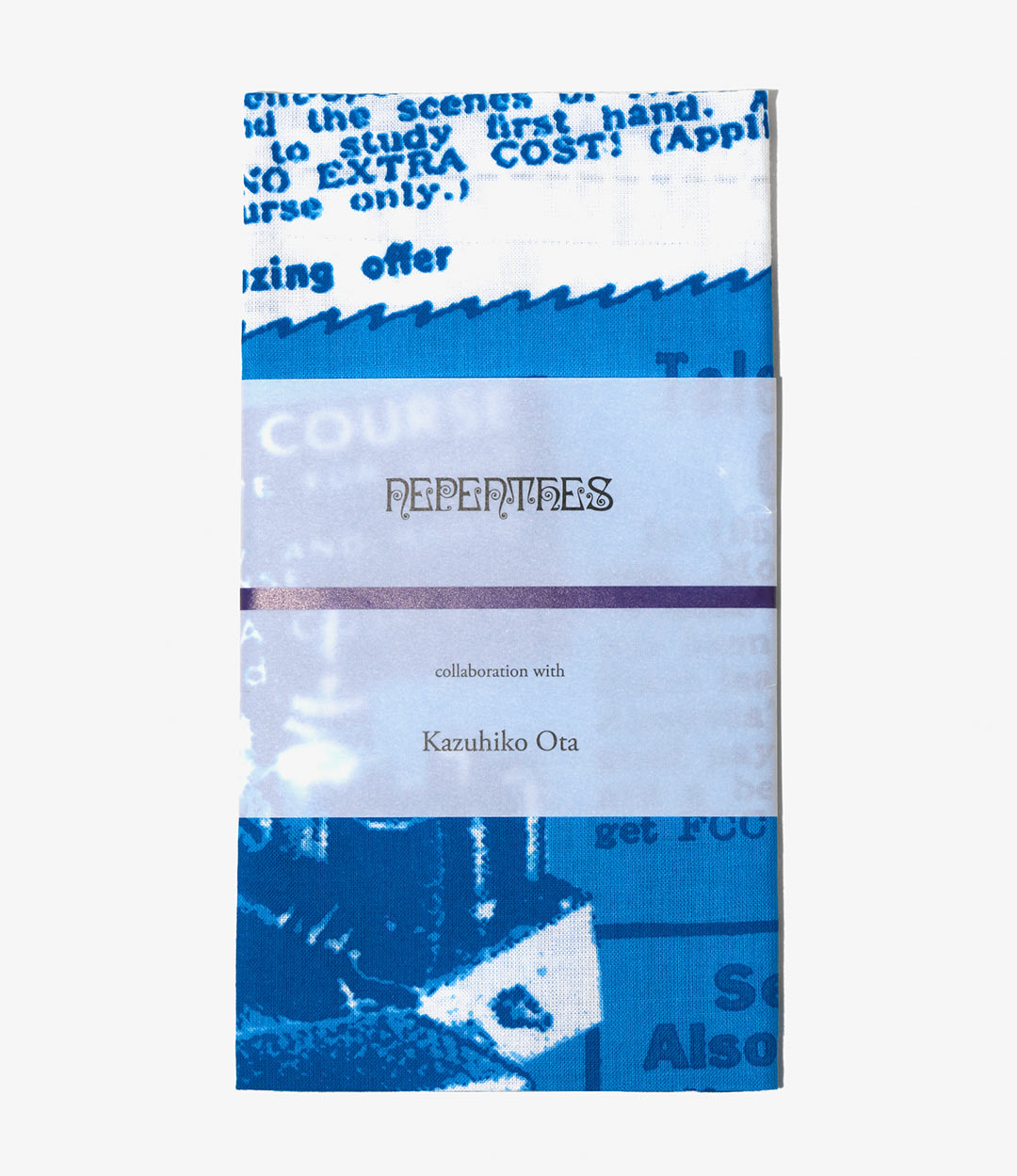
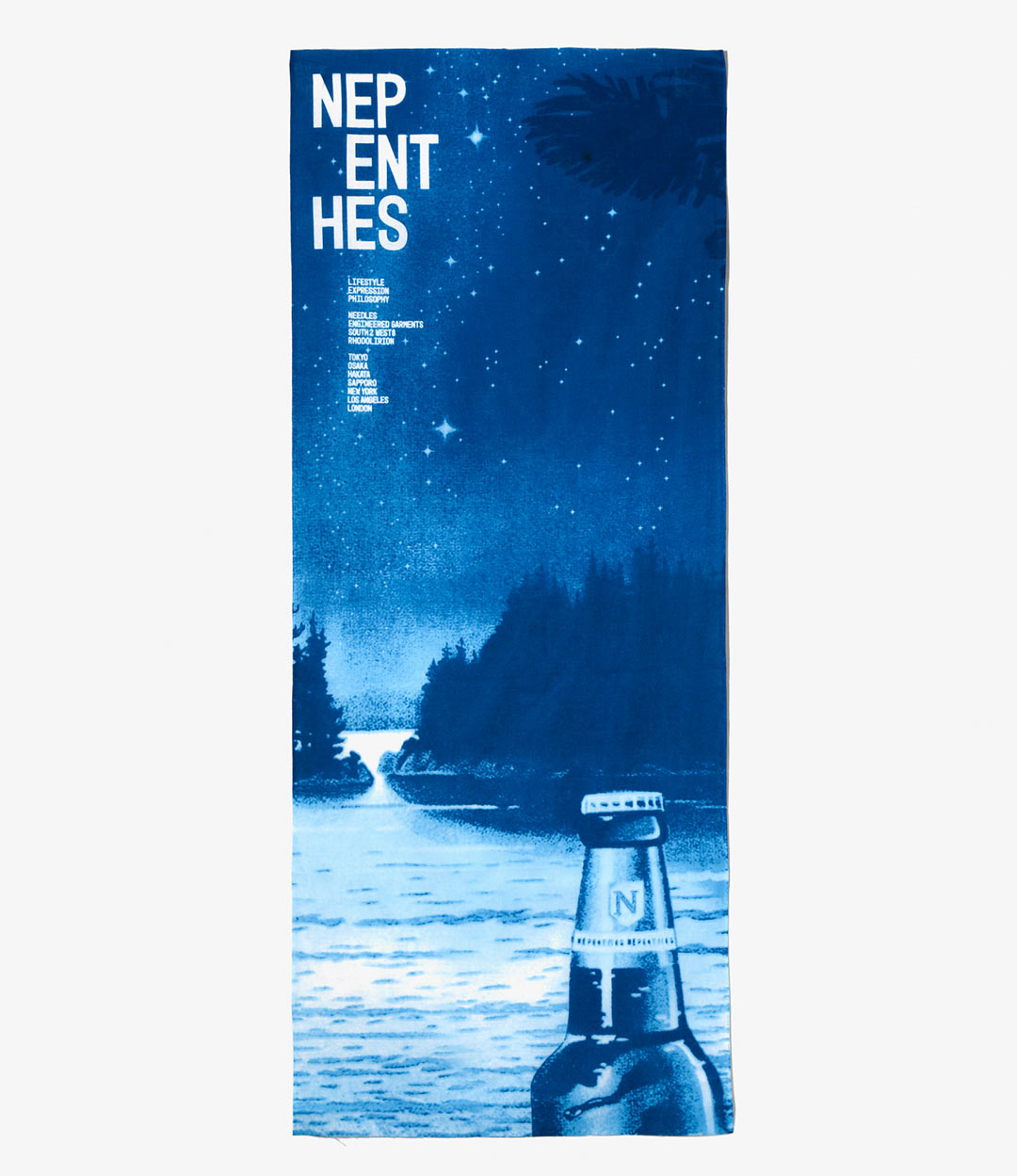
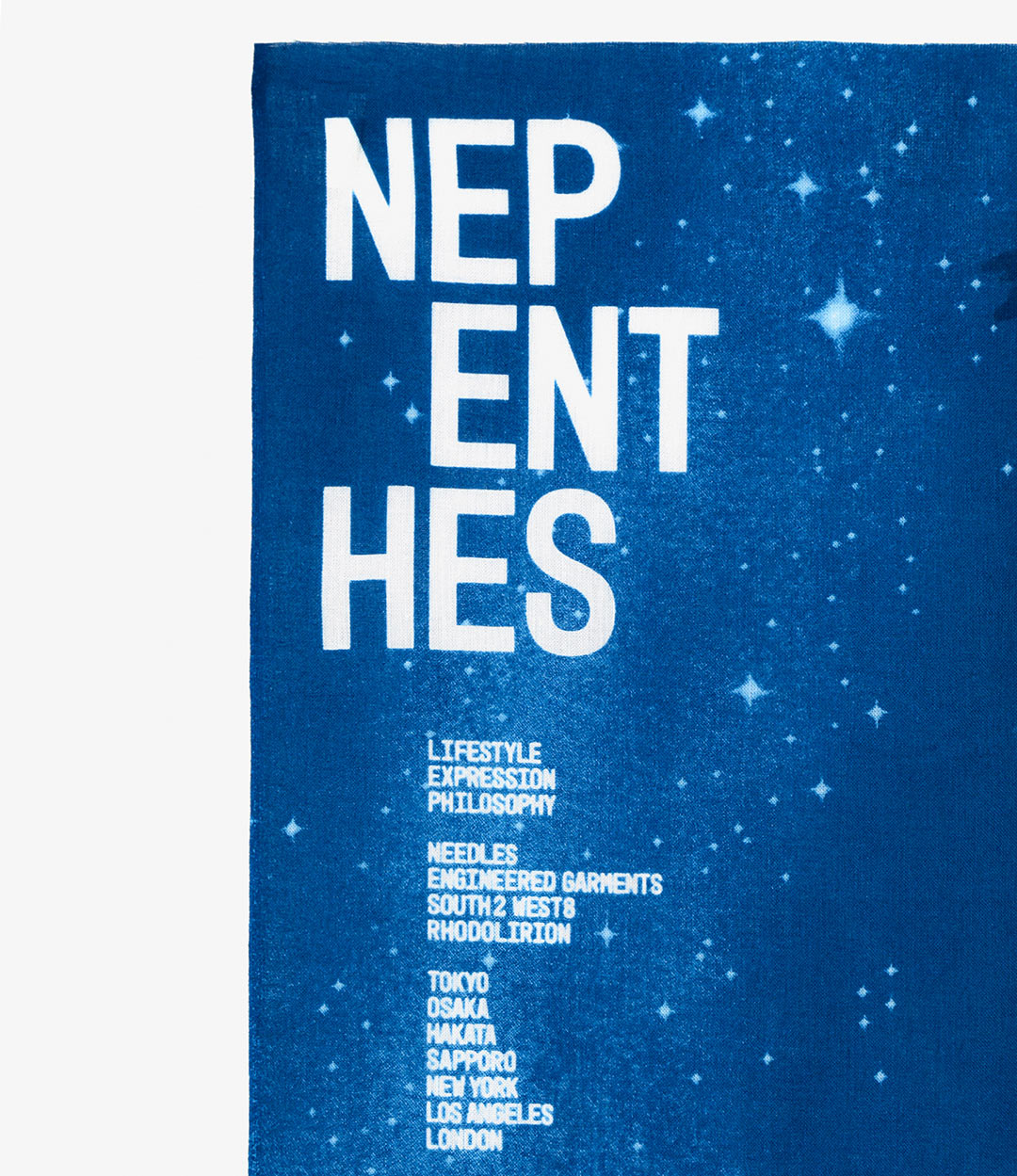
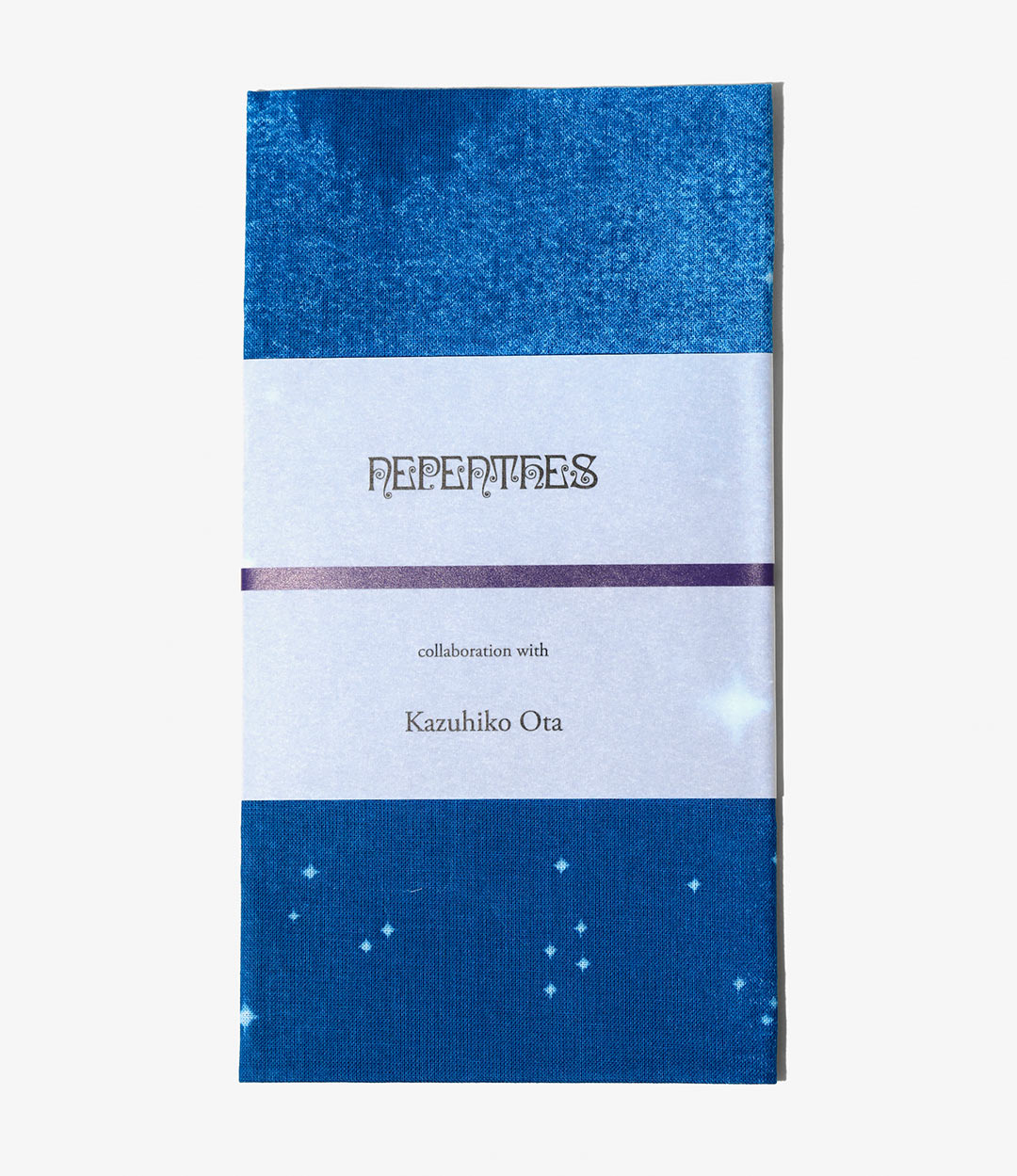
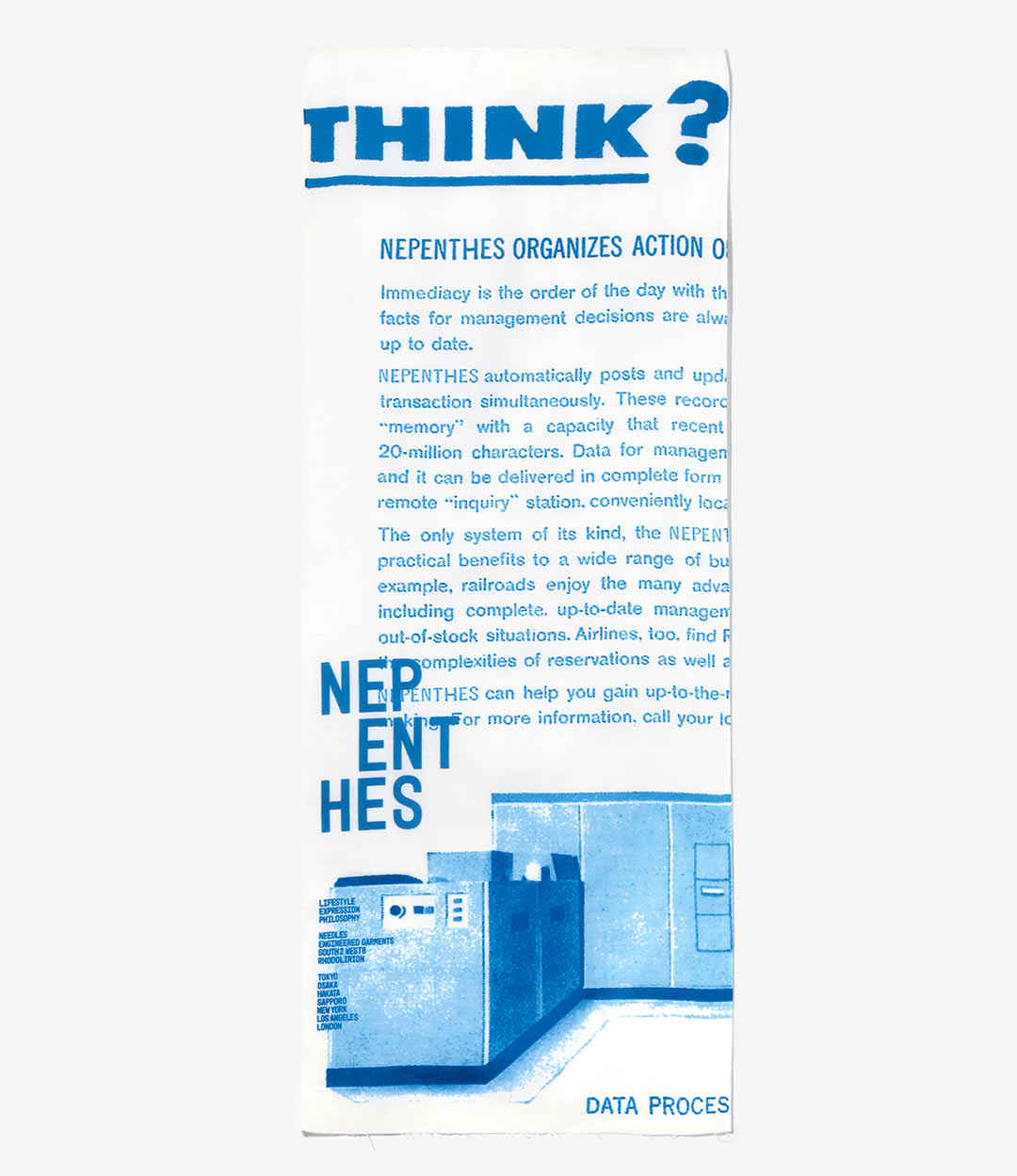
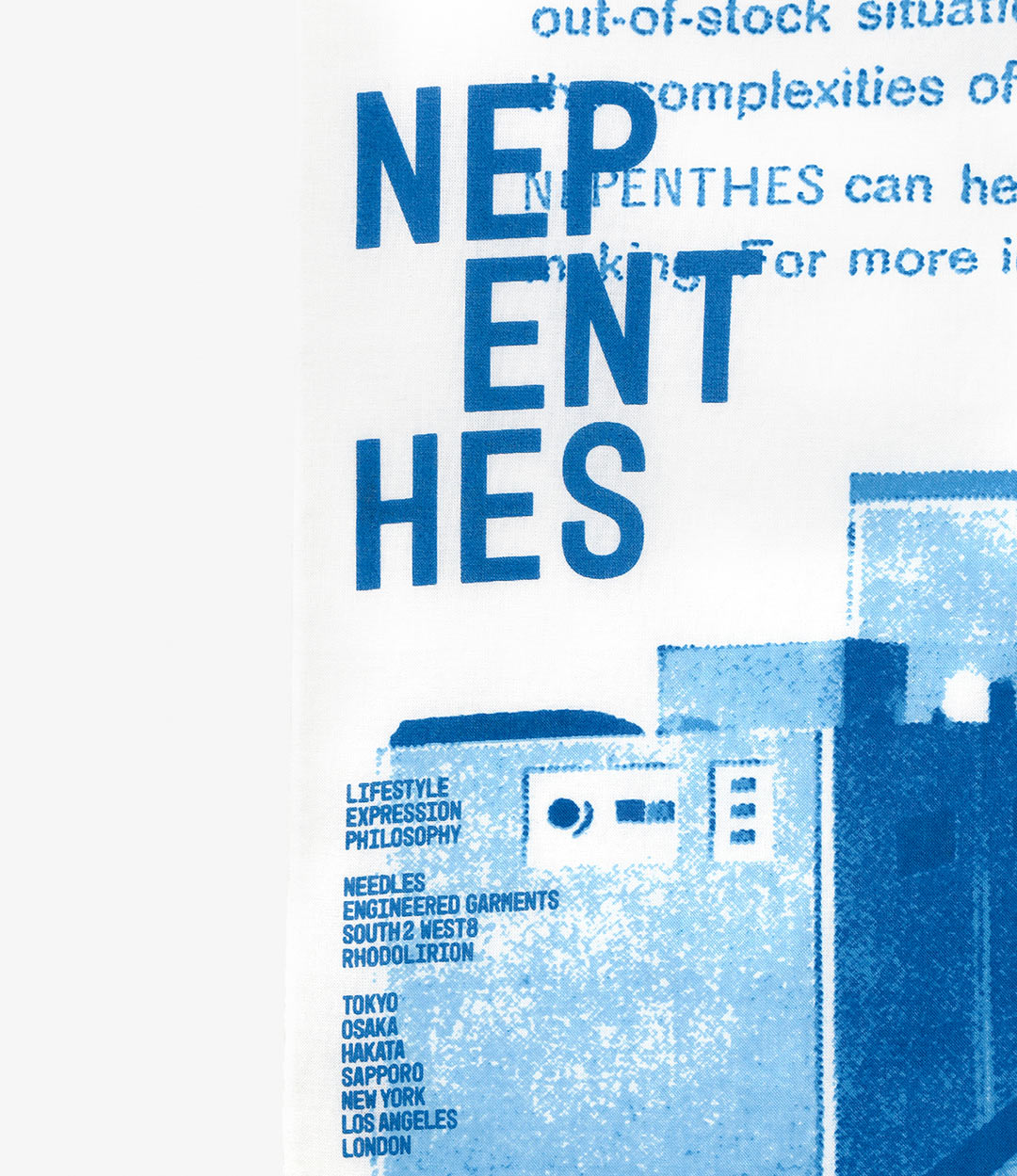
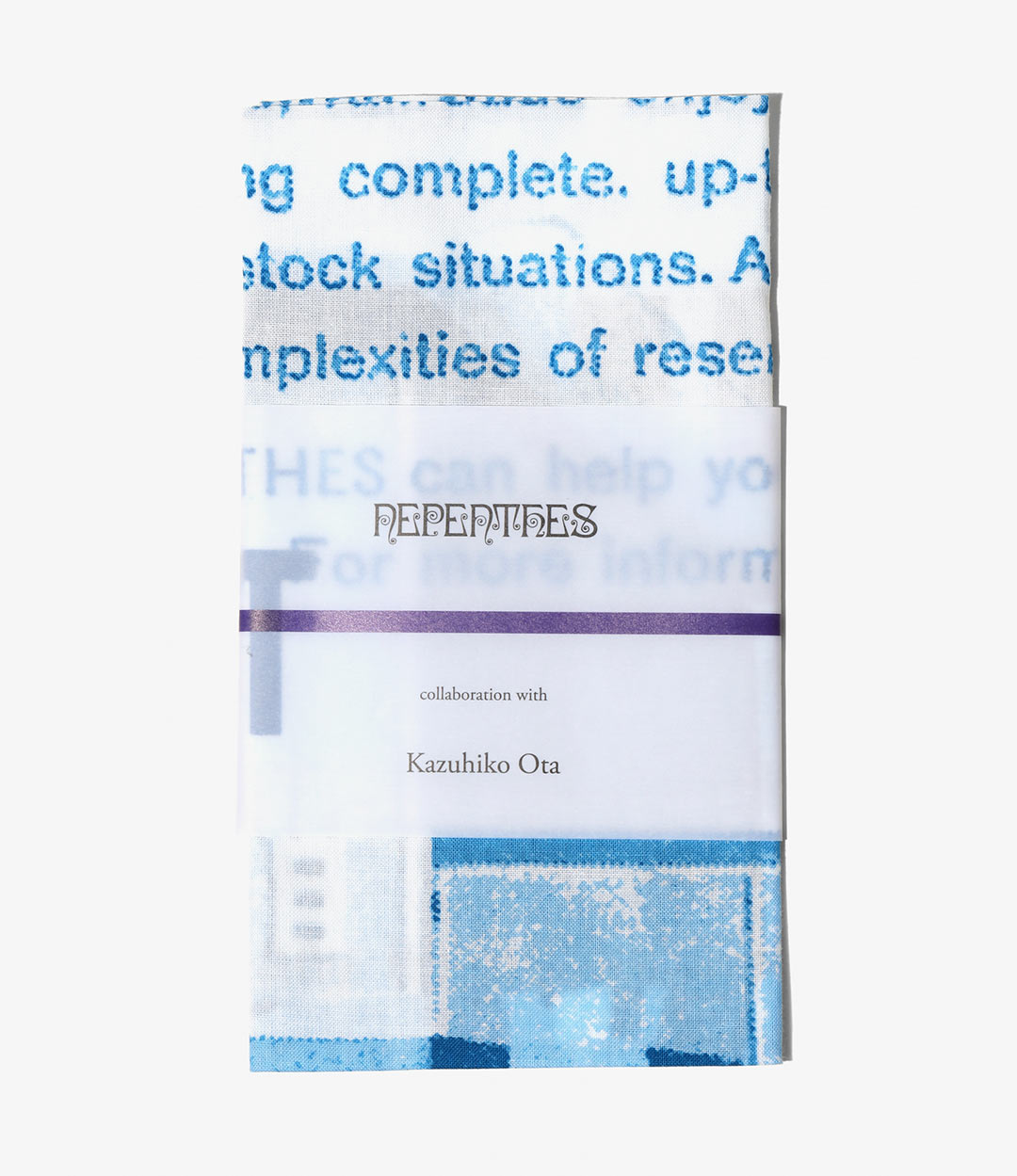
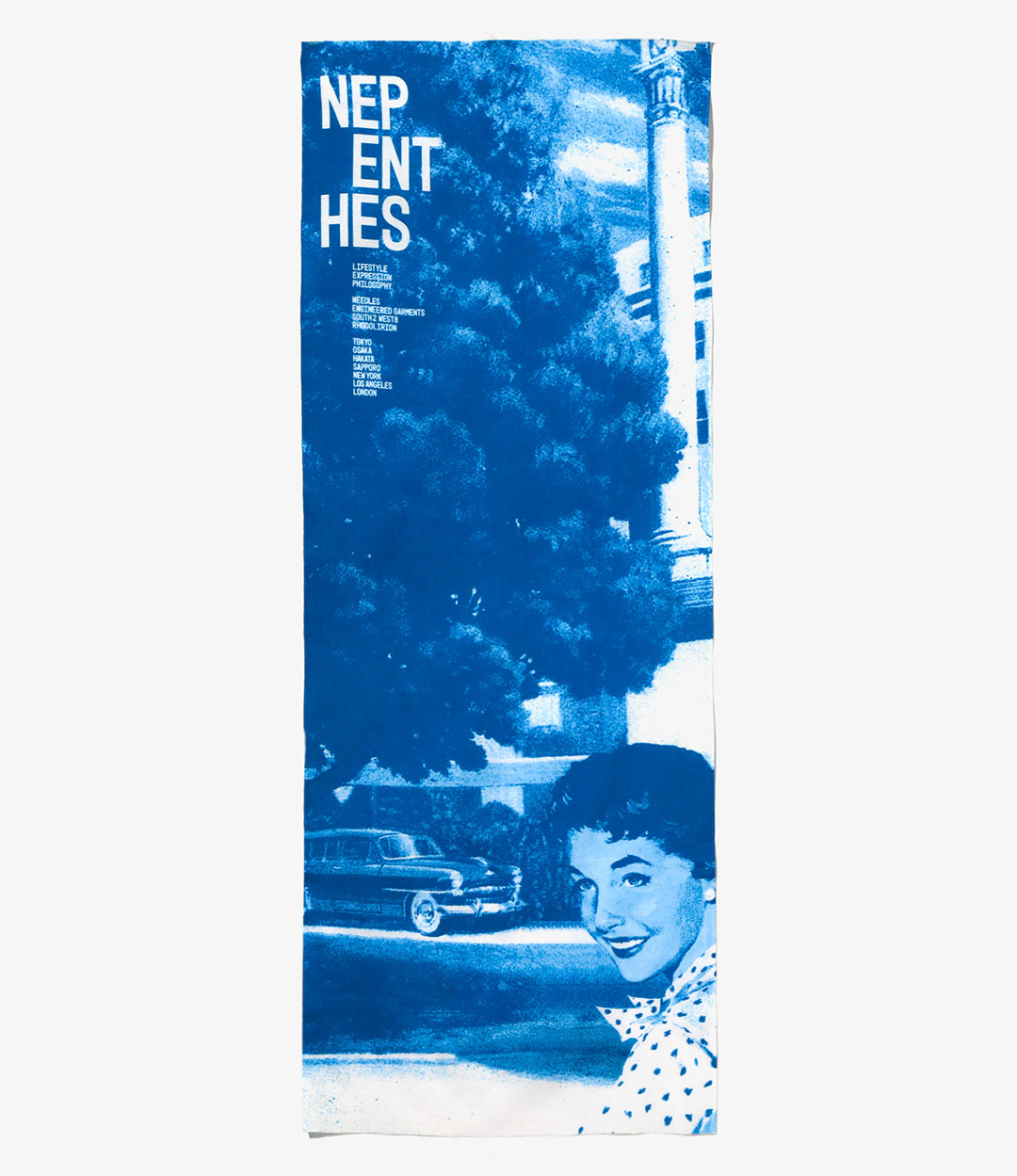
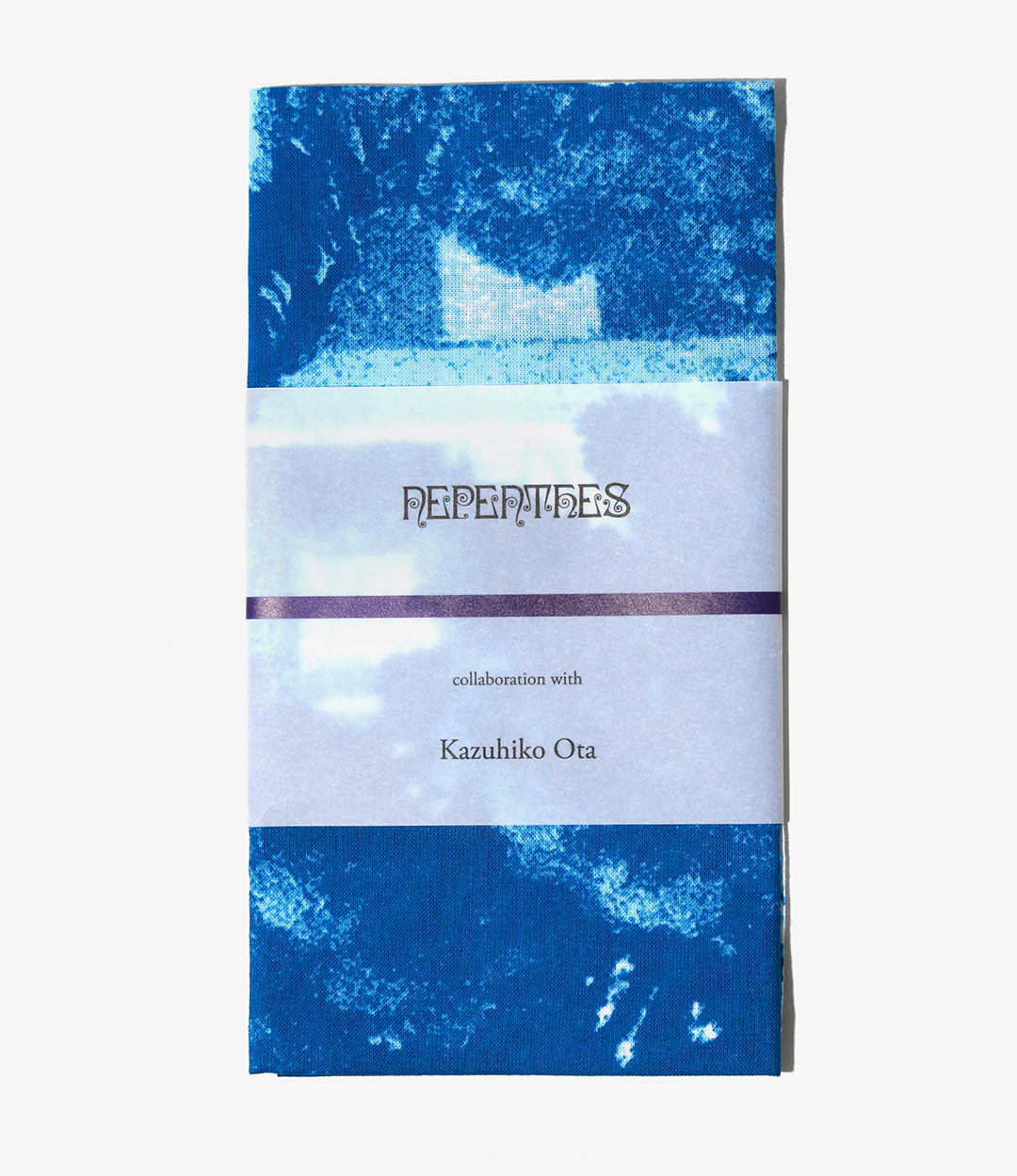
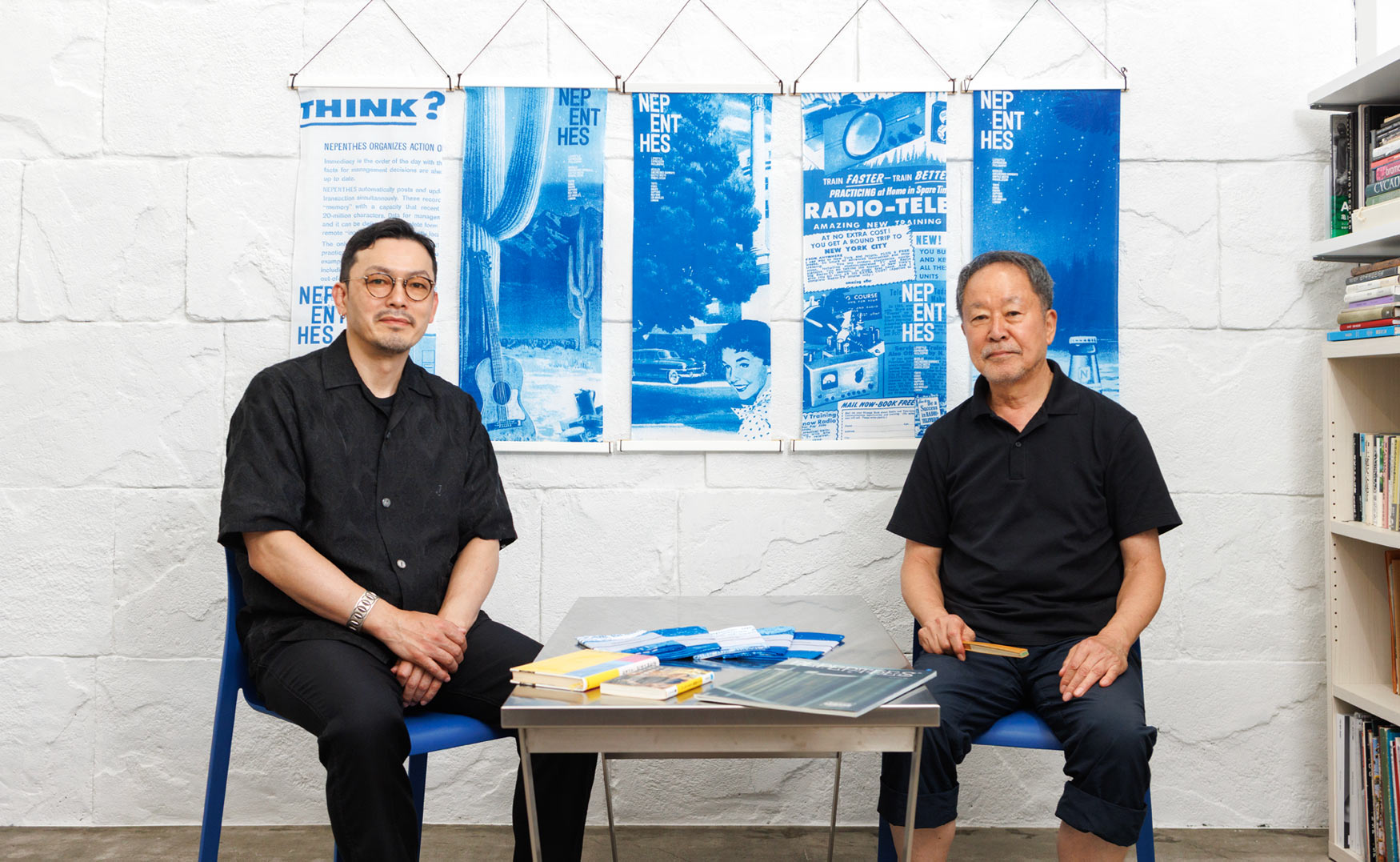
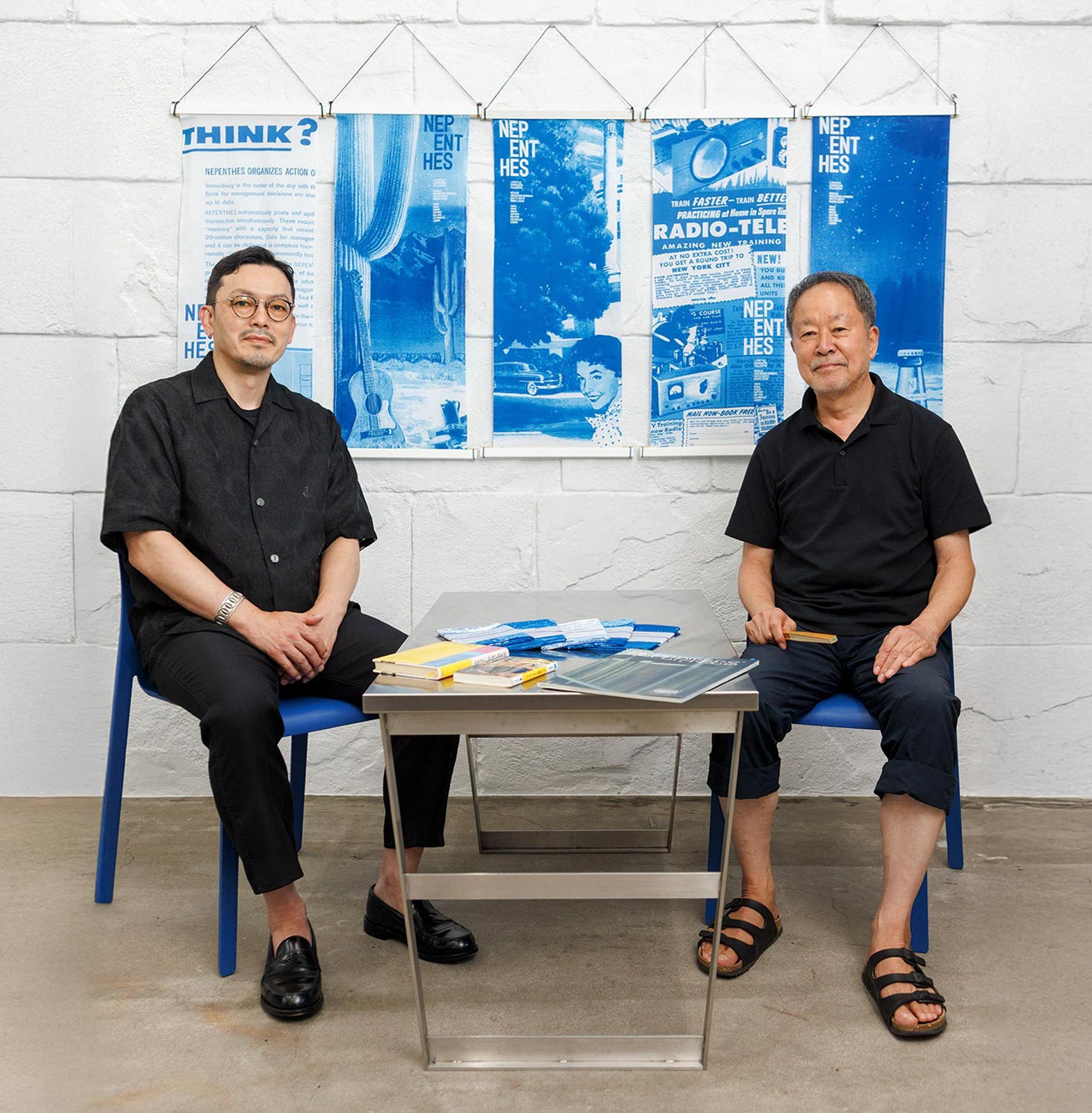
グラフィックデザイナー・作家・居酒屋探訪家としての顔を持つ太田和彦と、ネペンテスのディレクター・青柳徳郎との交流から、コラボレーションプロジェクトが生まれた。完成したのは、日本の伝統的な日用品に、古き良き時代のアメリカの広告からのインスピレーションがデザインされた5種類の手ぬぐい。二人の軽やかな対話から、粋と遊び心が交差する、ものづくりの舞台裏を辿る。A collaboration project was born from the exchange between Kazuhiko Ota—a graphic designer, writer, and izakaya enthusiast—and Tokuro Aoyagi, director at Nepenthes. The result: five tenugui that blend the traditional Japanese everyday item with design inspiration drawn from vintage American advertisements. Through the lighthearted dialogue between the two, we trace the creative journey behind the scenes where style and playfulness intersect.

日本語
English
  • 出会いのきっかけとなった、
    太田さんへのロングインタビュー
  • 粋と遊び心が交差する、ものづくりのの舞台裏 対談:太田和彦 × 青柳徳郎
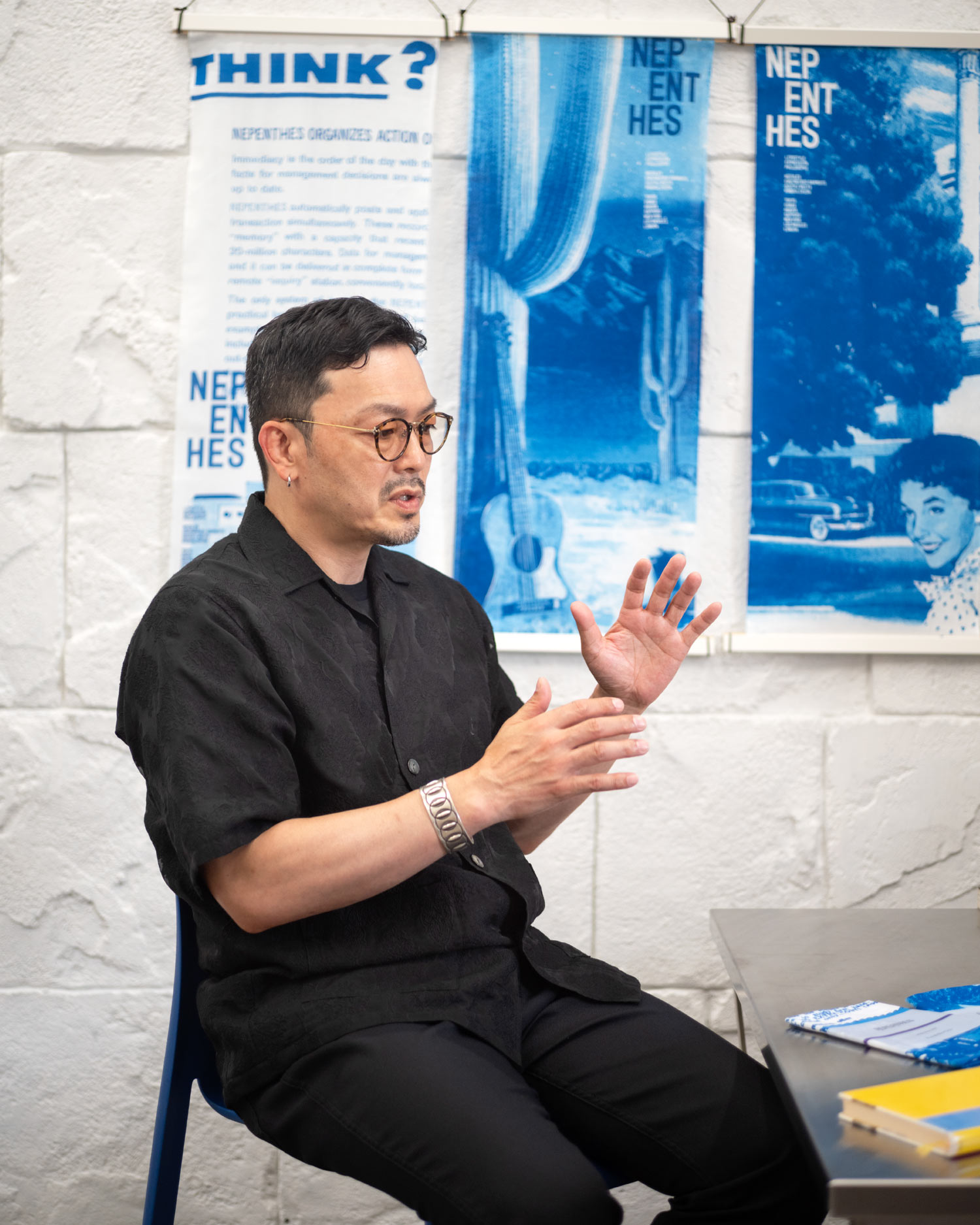
  • 太田さんとネペンテスとの出会いは、 ネペンテスが出版している 『NEPENTHES in print』 のインタビューがきっかけだったと伺いました。 なぜ太田さんを取り上げたのでしょうか?
  • 青柳 : ケーブルテレビで放送していた番組 『全国居酒屋紀行』 が最初に太田さんを知ったきっかけです。 もちろん番組も好きだったんですが、その後に本を読んだんですね。『ニッポン居酒屋放浪記 立志編 疾風編 望郷編』とあって、文章と写真で構成されたルポのようなものなのだけど、 地方に出張に出て一人で居酒屋に入ったような心地よい気分になれて、 愛読していたんです。 そもそも自分も居酒屋が大好きで、 好きな店がたくさんあったんですが、 なぜその店が良いのか、 なぜその店に惹かれるのか、 ということが、 言語化されていて、 とても共感しました。
    その後、 太田さんが書かれた 『黄金座の物語』 を知って、 邦画の名作を題材としたオマージュのような作品なんですが、 それが素晴らしくて。 そもそも居酒屋探訪家としてファンだったものの、 書籍を読むことで、 作家としての太田さんの大ファンにもなっていったんです。 それから、 そもそものアートディレクターとしての側面やRCサクセションとの繋がりも知ることになって、 余計に興味が湧きました。 そんなことで、 ネペンテスで本をつくると決まってから、 いつか太田さんを取材して読者に紹介したいと考えるようになったんです。
  • 粋と遊び心が交差する、ものづくりのの舞台裏 対談:太田和彦 × 青柳徳郎
  • 太田さんは取材を受けてみて、どんな感想を持ちましたか?
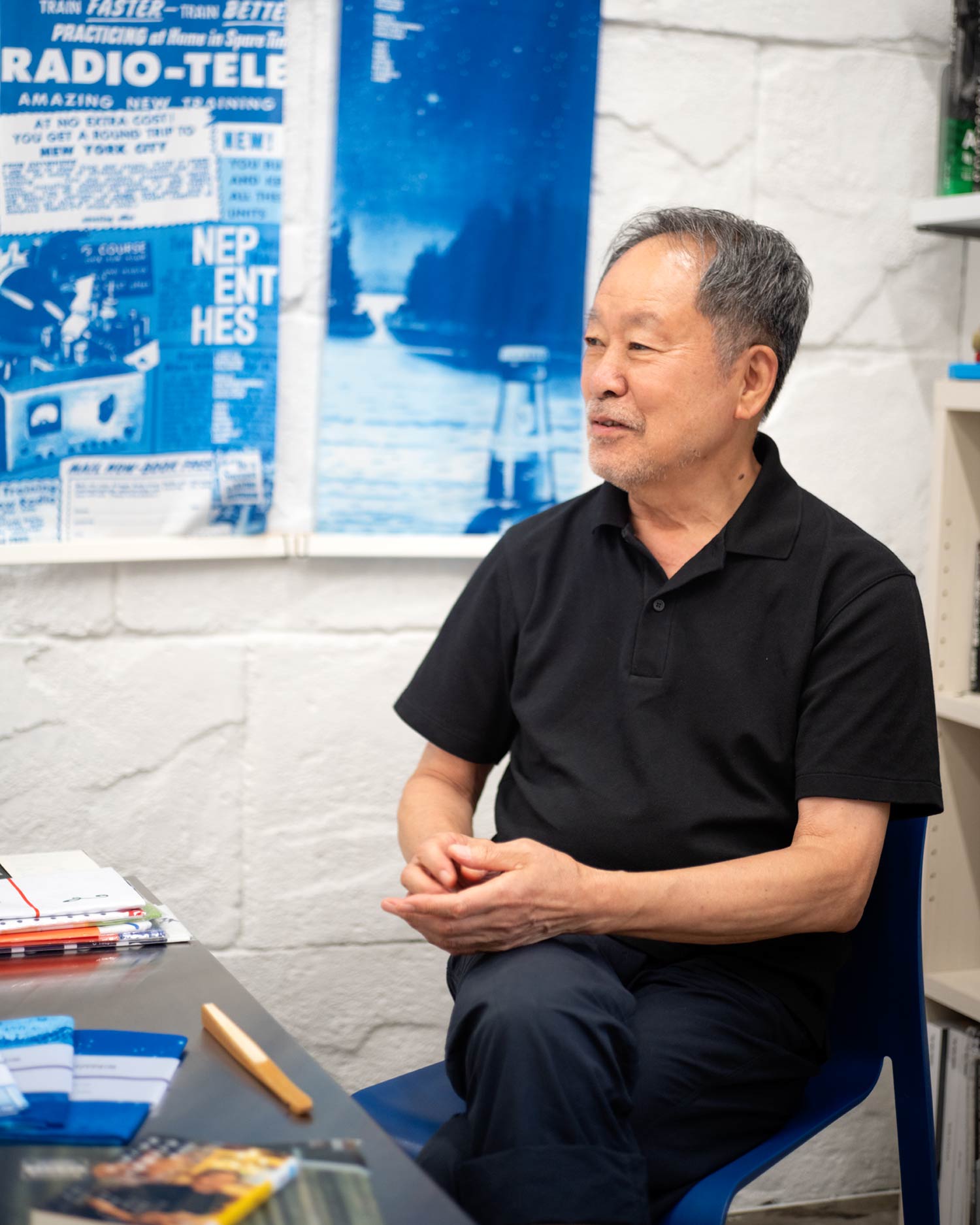
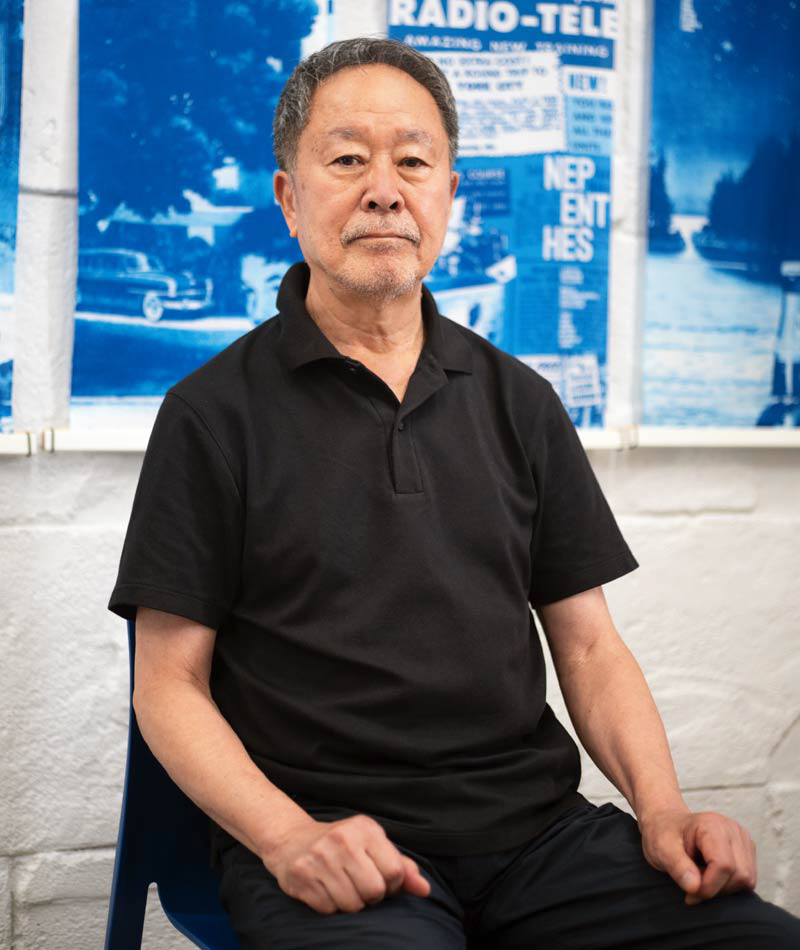
  • 太田 : テレビで居酒屋を歩いている人から始まって、 私の本を読み、 デザイナーであることを知っていく今のお話は、 自分史を逆登りされているようでした。 取材の申し込みがあったときはネペンテスのことは何も知らなかったけれど、 とてもよく準備されたインタビューで、 途中から身を乗り出したのを覚えています。 私という人間について掘り下げて向き合ってくれ、私自身が自分を見直すことになった。 本が出たときは感動しちゃって。 小著 『みんな酒場で大きくなった』 にも再収録させてもらいました。 人から何か訊ねられ、 真摯に答えることはとても意味があるという経験をさせてもらいました。
  • 青柳 : あのときの取材がきっかけで、 太田さんに信用してもらえたと思います (笑)。
  • 太田 : ネペンテス誌は単なるファッション誌とは違い、 生き方まで踏み込んだ、 くっきりした価値観を持った大判誌で、 写真の質がとても高い。 ブランドの思想を伝える紙媒体なんて、 今は本当に少ないんじゃないかな。 それを全世界に発信している。 こういう雑誌に載せていただいたのを自慢というか、 誇りに感じています。
  • 青柳 : ネペンテスにとっては、 オーディエンスの皆さんに自分たちが本当に興味のあることを直接伝えることができる、 とても貴重な媒体です。
  • グラフィックデザイナーとして、
    表現されたことのない手ぬぐいを
  • 粋と遊び心が交差する、ものづくりのの舞台裏 対談:太田和彦 × 青柳徳郎
  • 今回の手ぬぐいプロジェクトは、どのように始まったのでしょうか?
  • 青柳 : この取材以降、 太田さんと食事をご一緒する機会が少しずつ増えてきて。 ネペンテスとして、 太田さんと一緒に何かものづくりをしたいという相談をしたんです。
  • 太田 : そうだね。 居酒屋でその話しましたね。
  • 青柳 : 私が生まれ育った荻窪に太田さんも精通されていたことから、 荻窪のあるお店で飲んだんです。 最初は酒器をつくりたいとイメージしていて、 どうですかと聞いたら、 太田さんは怪訝な顔をされて 「ネペンテスみたいな会社と僕が仕事して、 お客さんに喜ばれるの?」 と言っていたんだけど、 実は太田さんは先回りしていろいろな案を用意してくれていて (笑)。 そこで出てきた案が手ぬぐいだったんです。 太田さんは日本の文化が大好きで熟知している。 そういうものがアイデアとして出てくるとばかり思っていたんだけど、 まったく違う方向性のデザインに驚きました。 しかも、 それが頭の中でほぼ完成していて、 その後の展開までアイデアを伝えてくださったんですね、 それがすごくおもしろくて、 やりましょうという流れになりました。
  • 粋と遊び心が交差する、ものづくりのの舞台裏 対談:太田和彦 × 青柳徳郎
  • 太田 : ネペンテスはファッションブランドだから、 ファッションの仕事にしようと手ぬぐいを思いつきました。 僕は昔から、 日本の伝統的な贈答に使う手ぬぐいがすごく好きで、 店の開店記念とか、 芸人の襲名披露とか、 さまざまなご祝儀に 「気持ちですが」 と渡す。 受け取るほうもあまり負担に感じなくていい。 手ぬぐいは世の中を生きやすくする、 日本のいいツールだなと思っていたんです。 僕もいろいろと居酒屋や落語家からいただくことがあって、 大切に保存しています。
  • 青柳 : ちょっとした気遣いを表現できる便利なものですよね。
  • 太田 : 手ぬぐいは置いたときに、 ちょっと絵柄が見える。 そのとき江戸っ子は 「それどこの? もしかして」 と訊かれたい。 つまり売っているものではない、 オレはこういうものを持っている人間なんだぞという自負を見せたい。 江戸っ子は気取りと粋が好きだから。
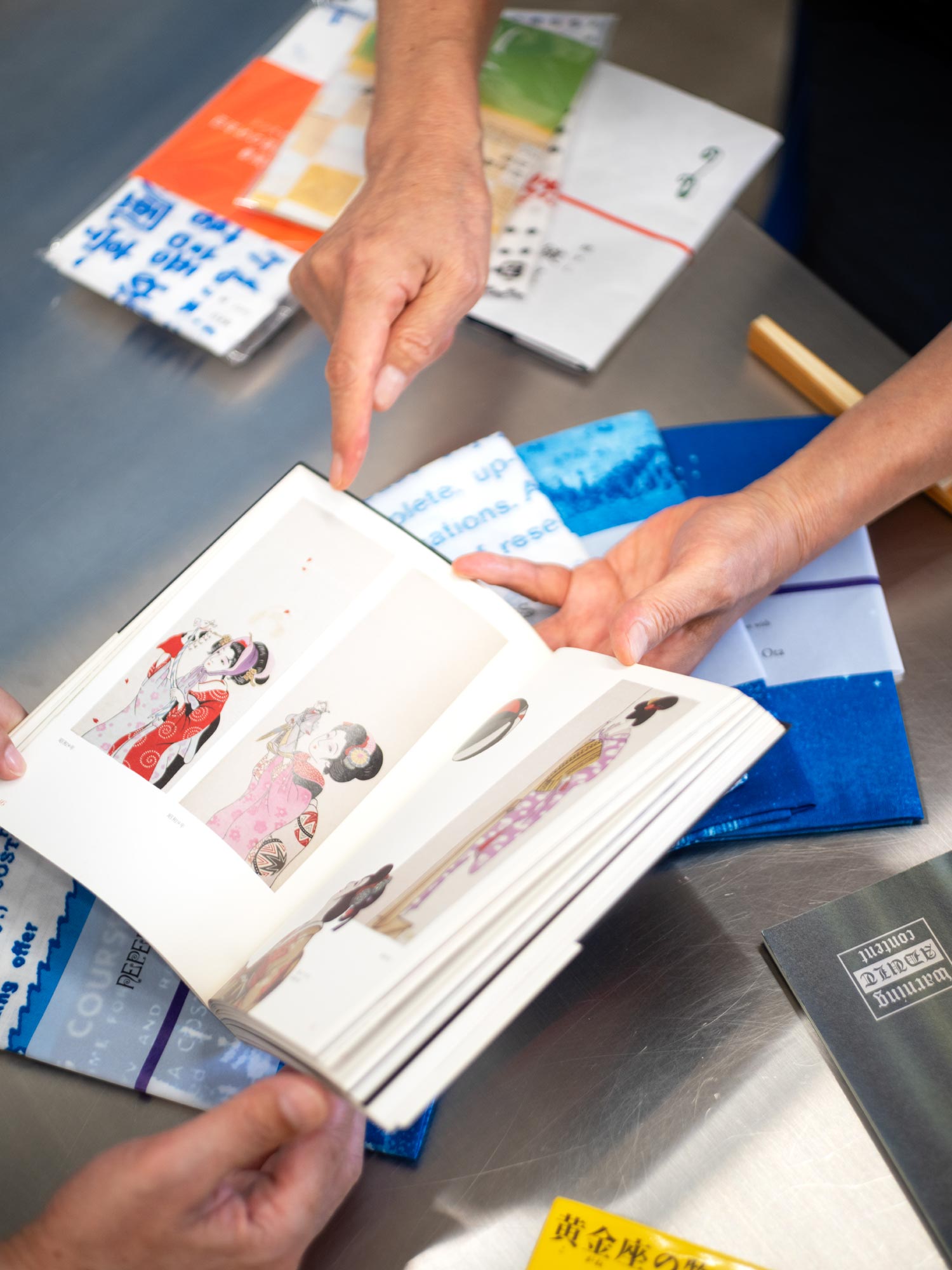
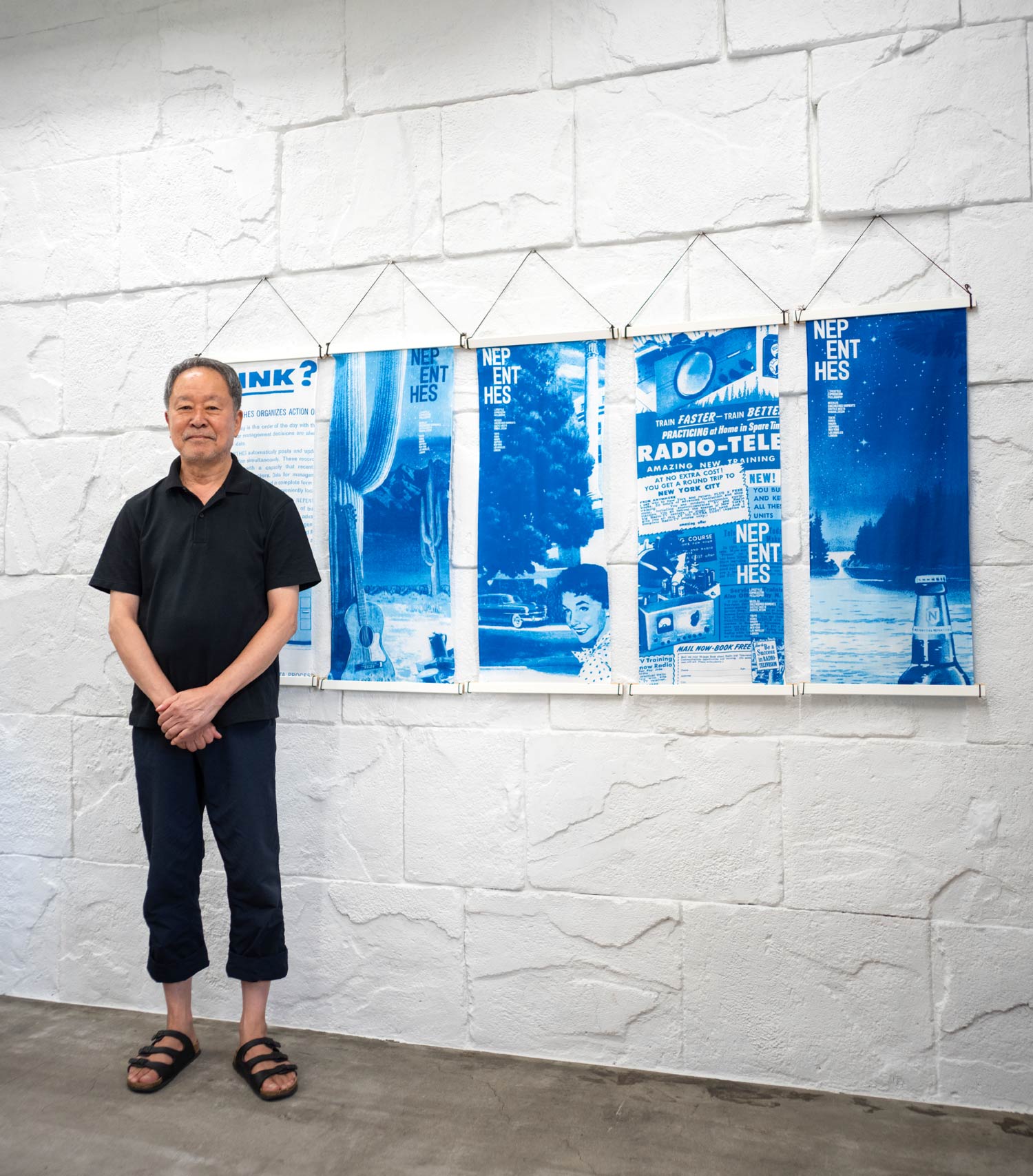
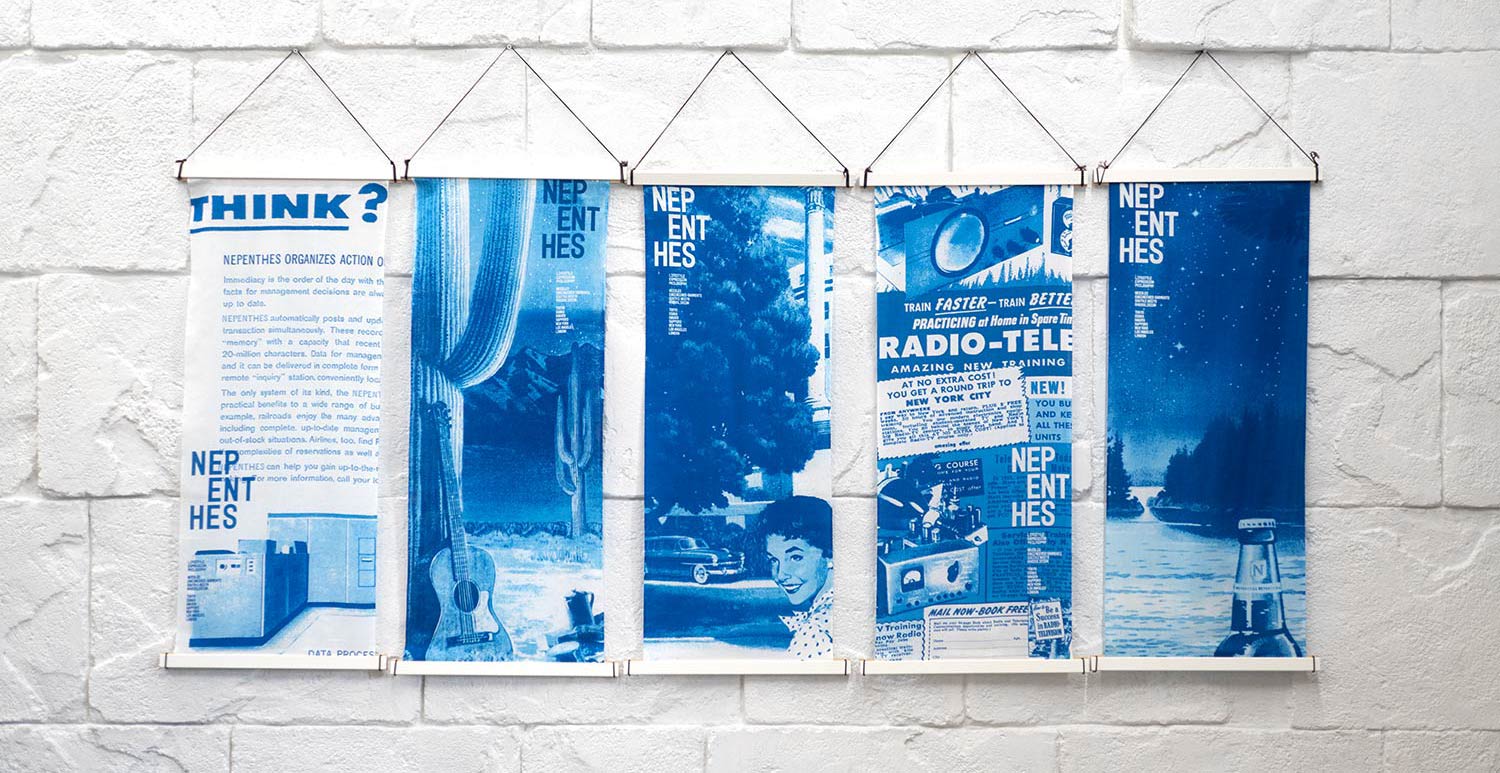
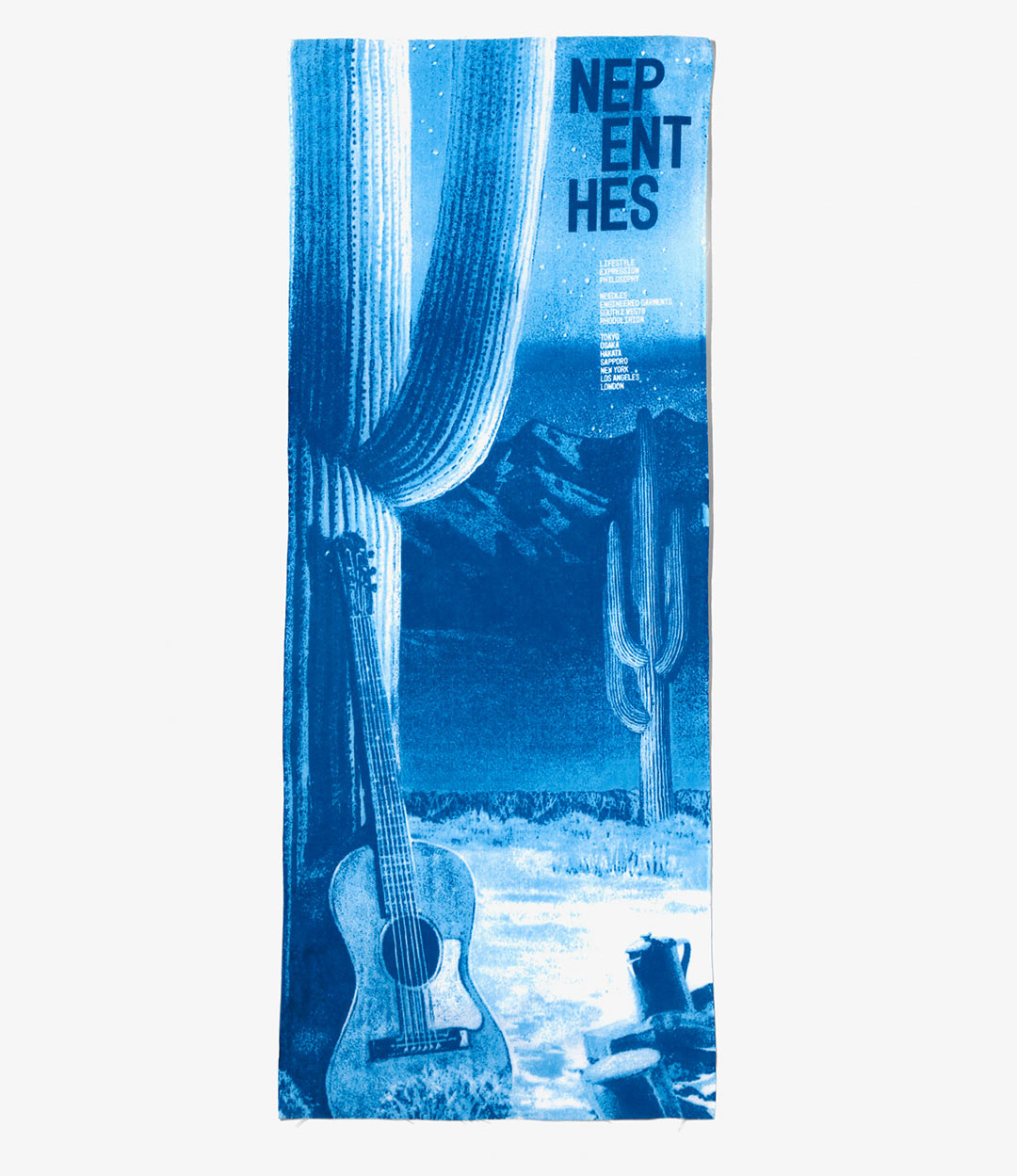
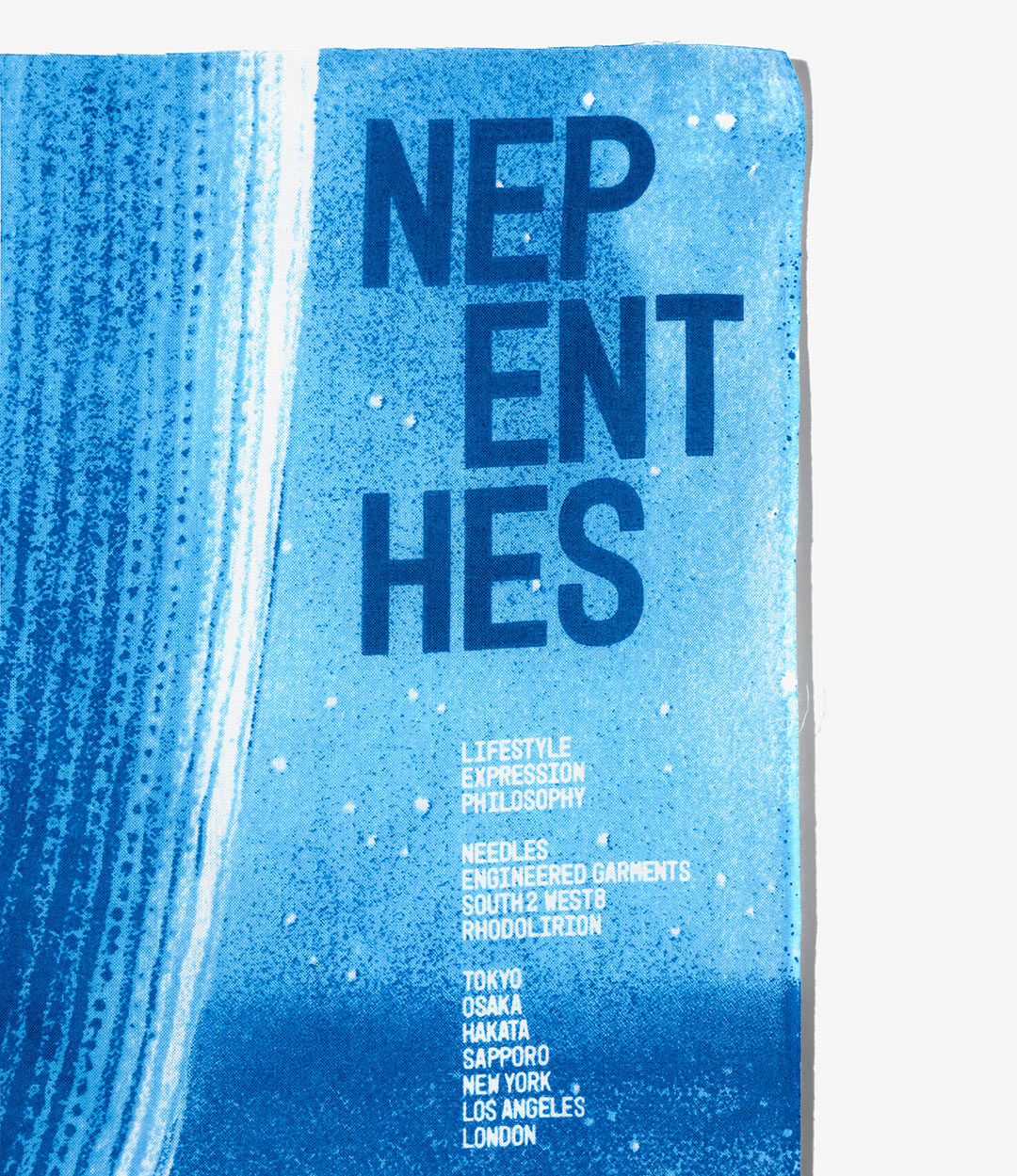
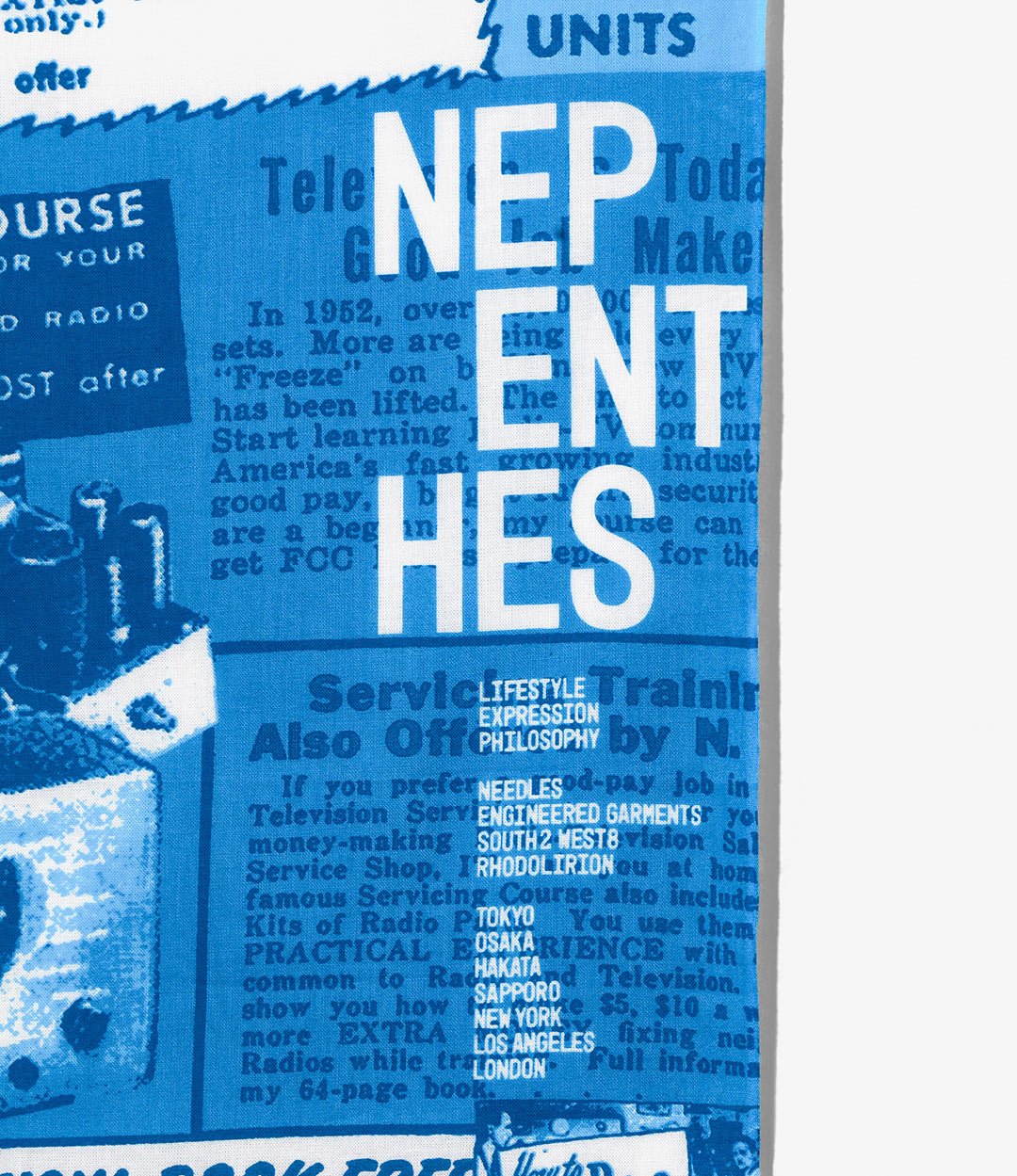
    僕はグラフィックデザイナーだから、 手ぬぐいに含まれるデザイン要素が興味深いんです。 それを強く感じたのは、 この 『京手ぬぐい』 という本でした。 昭和初期の手ぬぐいをいろいろ集めたもので、 モダンな洋風モチーフや、 日常行事、 舞妓が野球やヨット、 卓球、 スキーをするデザインもあり、 その洒落たセンスに驚きました。 それに刺激され、 いつか手ぬぐいでグラフィックな仕事をしたいと思っていたんです。 今までにないモチーフを、 と発想したのが、 アメリカの40年代、 50年代の広告や雑誌のグラフィックです。 そこからイメージを膨らませてデザインしました。
  • 青柳 : ちょっとシュールというか、 アバンギャルドなデザインなんですよね。 ストレートに古き良きポップな感じだけでもなく、 ちょっと不思議なバランスがクールです。
  • 粋と遊び心が交差する、ものづくりのの舞台裏 対談:太田和彦 × 青柳徳郎
  • デザインする上でどんなことを意識しましたか?
  • 太田 : ネペンテスの手ぬぐいならば、 普通じゃない異常なものにしたいなと (笑)。 黄金時代と呼ばれる頃の広告のイメージ。 大量生産品をモチーフにするポップアートと言ってもいいけれども、 そんな大袈裟でなく、 紙に印刷されたものを薄い布に置き換えるおもしろさというのかな。 今、 手ぬぐいは人気で、 浅草あたりの手ぬぐい専門店では、 いろいろな洒落たデザインが並んでいますね。 グラフィックデザイナーの新しい表現媒体と言いましょう。 ネペンテスはその先駆 (笑)。
  • 青柳 : タペストリーやポスター的にインテリアとしても使えますよね。
  • 粋と遊び心が交差する、ものづくりのの舞台裏 対談:太田和彦 × 青柳徳郎
  • 太田 : そうそう、 吊ったり、 額に入れたり。 見飽きたら、 壁から外して茶碗を拭けばいいわけで。 日用品の中でこういった洒落たことができるのは、 日本特有のアートとしてのひとつのジャンルだと思うんです。 しかも、 贈答品にもなるという。 自分の部屋もいいけど、 居酒屋でこのアバンギャルド手ぬぐいを飾っておくと、 違和感があって興味を持たれると思うな。 今度、 持ってゆこうかな (笑)。
  • 青柳 : ありきたりな和モノをやるのではなく、 ネペンテスというフィルターで太田さんのデザイナー魂を引き出せているし、 それをネペンテスのオーディエンスに紹介できる。 それがとてもよかったなと思います。 考え方としては、 日本の伝統的なものをアメリカのポップで大衆的なデザインで装飾する、 というもの。 そこに日本の職人技が使われているということもポイントです。 太田さんとしては、 もっとチープにあえて一版で印刷するようなものがいい、 という考えがあったかもしれないけど、 ネペンテスがお付き合いしている職人の皆さんはこだわりのある方たちなので、 元々の絵をできるだけ再現しようと取り組んでくれました。
  • 粋と遊び心が交差する、ものづくりのの舞台裏 対談:太田和彦 × 青柳徳郎
  • チープな素材を正面から取り上げて、
    チープなまま美しく仕上げる
  • 粋と遊び心が交差する、ものづくりのの舞台裏 対談:太田和彦 × 青柳徳郎
  • 生産が非常に難しかったと聞いています。 プリントの特徴があれば教えてください。
  • 太田 : 手ぬぐいの印刷技術ってすごく進歩していて、 今回の手ぬぐいはピシッと見当が合って、 紙と違って伸縮があるものなのにすごいなと。 手ぬぐいは紺一色が好きですけど、 濃淡を精密に表現するのに苦心していただいたのでしょう。
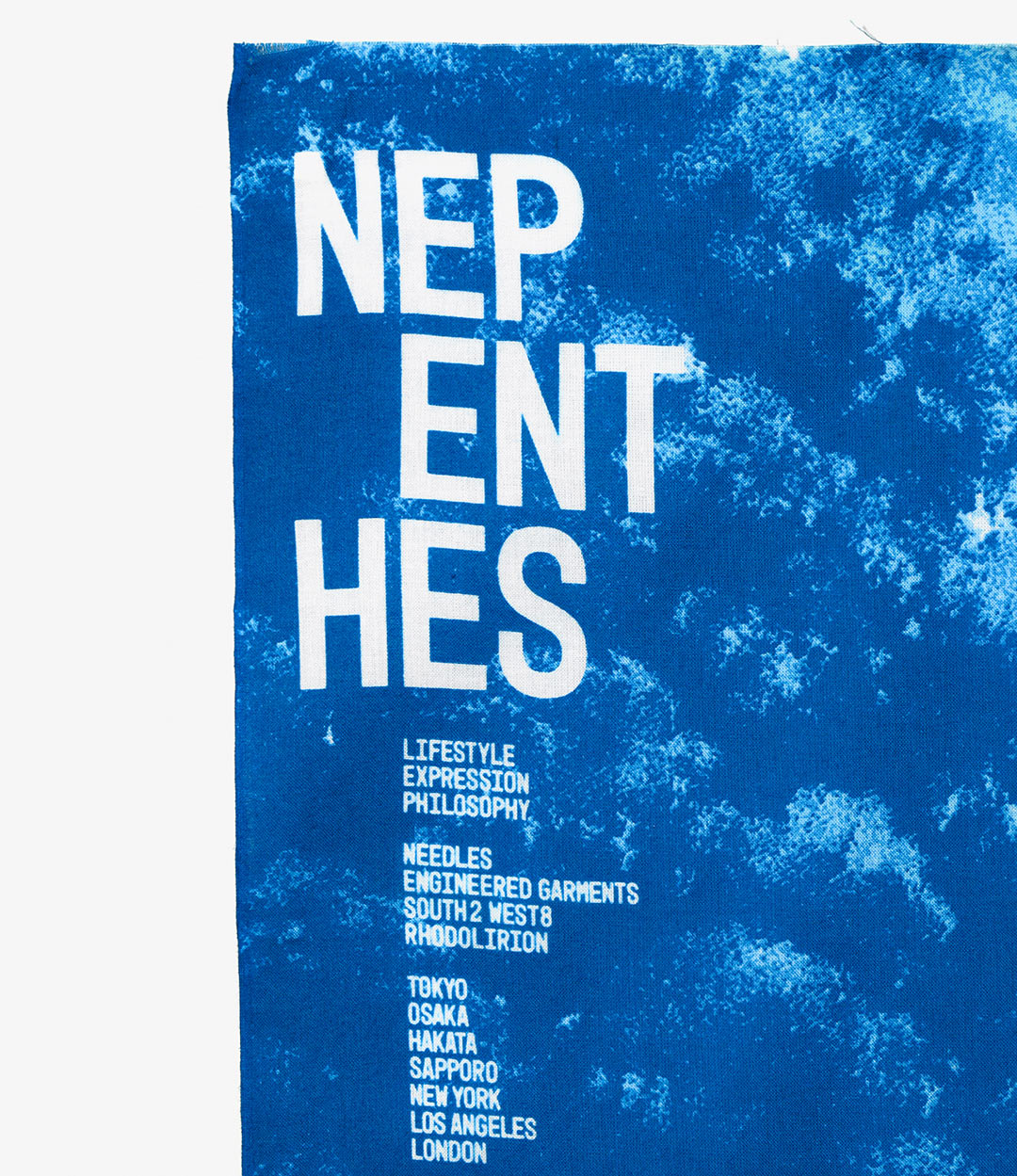
  • 青柳 : 捺染と防染という二つの技法を使い、 細かく調整しながら色によって薄い色から濃い色に版を何個も重ねて刷っています。 一色に見えても濃淡で色は違いますから。 しかも今回は5種類あるから、 5枚で色を合わせなければいけなかった。 気温が上がってしまうと仕上がりに影響するので、 職人さんも頭を悩ませていたんです。 かなり時間はかかりましたが、 満足のいくものになりました。
  • 太田 : 逆に言えば、 僕にとってはこんなにいい機会はなかったです。 1枚だけでは珍品で終わってしまうので、 5枚セットで作れば考え方を見てもらえると思ってね。 はじめはピンナップガールをモチーフにデザインしたんですが、 ちょっとオリジナリティがなく、 それをやめたところで自分の視野も広がり、 楽しんでデザインできました。 チープな素材を正面から取り上げて、 チープなまま美しく仕上げる。 そういうハイブローな仕事をさせてもらったと思っていますよ。
  • 青柳 : 実は往年の太田ウォッチャーがネペンテスのオーディエンスにも結構いるんです。 その人たちにとってもすごく意外だと思うんです、 このデザインは。 そのギャップがまたいいところで。
  • 太田 : 居酒屋の 「い」 の字もないからね(笑)。
  • 青柳 : 太田さんの居酒屋文脈ではない要素を見せられたことが、 この企画をやって一番良かったことかもしれません。
  • 太田さんの中には、 江戸っ子の粋や気取りが人生の哲学や指針になっているんだなと感じました。
  • 太田 : デザインとは 「大衆の美学」 を蒐集し、 創造することです。 僕は田舎育ちですが、 「江戸=東京人の美学、 粋とか気取り」 が好きですね。 居酒屋にしても、 大阪の人は食べ歩きが好きだけど、 江戸っ子は、 それはお上りさんの田舎者のすることと軽蔑し、 決まった店にしか行かない。 店が自分を知っていることが基本で、 決まった席に座り、 注文は 「いつもの」 で終わり。 そのくせ酒は案外弱く、 3本も飲むともう寝ちまうっていう、 やせ我慢的なプライド。 落語にはよく登場しますね。 宵越しの金はなくても、 懐にはいつも新しい手ぬぐいを持ち、 ちょっとめかしたときは扇子を前に置く。 小さな気取りなんだけど、 微笑ましくて可愛らしいでしょう。
粋と遊び心が交差する、ものづくりのの舞台裏 対談:太田和彦 × 青柳徳郎

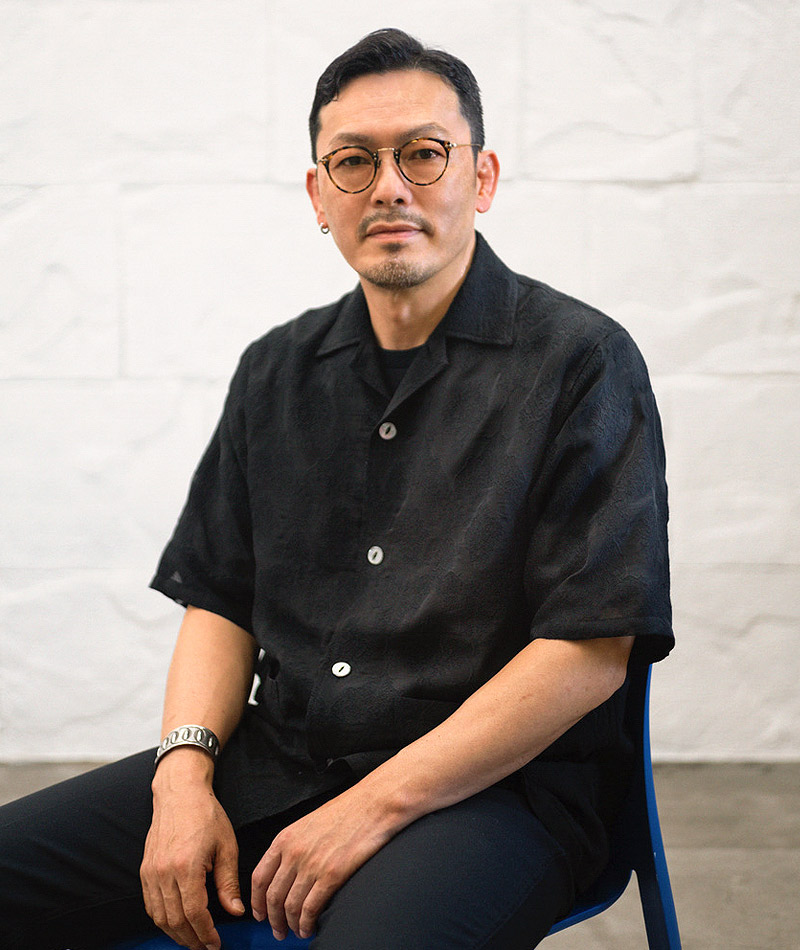
Kazuhiko Ota / 太田 和彦

1946年、 北京で生まれ長野県で育つ。 68年、 東京教育大学 (現・筑波大学) を卒業後、 資生堂宣伝部にデザイナーとして入社。 30代後半に 「居酒屋研究会」 を設立し会報を発行する。 89年に独立し 「アマゾンデザイン」 を設立。 90年に初となる著書 『居酒屋大全』 (講談社) を発表。 以後、 デザインと居酒屋の探訪記を同時に進めながら、 現在まで、 独特の作品を数多く残している。 2000〜07年には東北芸術工科大学で教鞭をとった。 デザイン関連の受賞も多数。 ADC賞 (73年、83年、84年)、 毎日広告デザイン大賞などがあり、 作品集に 『ALTANATIVE ADVERTISING FOR SHISEIDO/異端の資生堂広告』 (求龍堂) がある。 居酒屋関係著の代表作に 『ニッポン居酒屋放浪記』 (新潮社)、 『居酒屋百名山』 (新潮社)、 『日本居酒屋遺産』 (トゥーヴァージンズ) など。 テレビ番組のナビゲーターとしても活躍し、 BS11局 「太田和彦のふらり旅 新・居酒屋百選」 を現在放送中。 音楽では忌野清志郎の熱心なファンとして知られ、 70年代初頭のライブを個人録音した音源が 『RCサクセション オフィシャル・ブートレグ 悲しいことばっかり』 としてリリースされている。 映画にも造詣が深く、 『シネマ大吟醸』 (小学館文庫) 『居酒屋吟月の物語』 (日経文芸文庫) などがある。
https://ota-sakeclub.com

粋と遊び心が交差する、ものづくりのの舞台裏 対談:太田和彦 × 青柳徳郎

Tokuro Aoyagi / 青柳 徳郎

1970年生まれ、 東京都杉並区出身。 NEPENTHES 代表取締役 COO。 1997年よりNEPENTHES AMERICA INC.に勤務。 2007年に帰国、 クリエイティブ・ディレクターなどを経て現在に至る。 ライフワークはトラウトフィッシングやマーシャルアーツ。植物愛好家としても知られる。

  • In-depth Interview with Mr. Ota:the Origin of the Collaboration
  • 粋と遊び心が交差する、ものづくりのの舞台裏 対談:太田和彦 × 青柳徳郎
  • We heard that your connection with Mr. Ota began with an interview for NEPENTHES in print. What made you choose him for the feature?
  • Aoyagi : I first came to know about Mr. Ota through the cable show Zenkoku Izakaya Kikō, which I really enjoyed. Later, I read his Nippon Izakaya Hōrōki series, which includes the volumes Risshi-hen, Shippū-hen, and Bōkyō-hen. They’re like reportage pieces, combining writing and photography, that made me feel like I was traveling on a solo business trip and slipping into a cozy local izakaya—it was a comforting, immersive experience, and I became an avid reader. I’ve always loved izakayas myself, and had a long list of favorite spots, but Mr. Ota’s writing put into words exactly why those places felt special, and why I was drawn to them. His reflections resonated with me deeply.
    Then, I came across Mr. Ota’s Ōgonza no Monogatari, a beautiful homage to classic Japanese cinema. I was already a fan of his izakaya writings, but reading his books turned me into a true admirer of him as an author. I also learned about his background as an art director and his connection to RC Succession, which deepened my interest. So, when we began publishing at Nepenthes, I knew I had to share Mr. Ota’s world with our readers.
  • 粋と遊び心が交差する、ものづくりのの舞台裏 対談:太田和彦 × 青柳徳郎
  • Mr. Ota, what kind of impression did the interview leave you?
  • Ota : It felt like my life has been unraveled in reverse—first through my izakaya walks on TV, then my books, and finally my roots in design. I wasn’t familiar with Nepenthes at first, but the care they took with the interview had myself leaning in, fully engaged.The interview didn’t just scratch the surface. It really explored who I am, and in doing so, made me reflect on myself. When the magazine was published, I was so moved and ended up reprinting it in my book, Minna Sakaba de Ōkiku Natta. Being asked thoughtful questions and responding sincerely was a truly meaningful experience for me.
  • Aoyagi : It was that interview that finally earned Mr. Ota’s trust, I think (laughs).
  • Ota : NEPENTHES in print isn’t your typical fashion magazine. It’s a bold, large-format publication with strong values that delves into ways of living as much as style, and photography of exceptional quality. Few print media today express a brand’s vision so clearly, and globally. Being featured is something I’m genuinely proud of.
  • Aoyagi : For Nepenthes, it’s where we can directly share our true interests with our audience. It’s a valuable platform.
  • Redefining Tenugui: A Graphic Designer’s Untold Expression
  • 粋と遊び心が交差する、ものづくりのの舞台裏 対談:太田和彦 × 青柳徳郎
  • So, how did this tenugui project come about?
  • Aoyagi : Since that interview, I started meeting Mr. Ota for meals more often. One day, I brought up the idea of making something together with Nepenthes.
  • Ota : That’s right—over good food at an izakaya.
  • Aoyagi : We met for drinks in Ogikubo, my hometown, as Mr. Ota happened to know the area just as well. I initially imagined making sake ware and ran the idea by him. He gave me a skeptical look and said, “Would your customers even like it if someone like me worked with Nepenthes?” But actually, he’d already thought ahead and had a bunch of ideas ready (laughs). One of which was tenugui. Mr. Ota loves and knows Japanese culture deeply. I expected ideas rooted in that tradition, so I was surprised by the completely different design direction he proposed. What’s more, the concept was almost fully formed in his mind, and he even explained how it could develop from there. I found it all so fascinating that we naturally decided to move ahead with the project.
  • 粋と遊び心が交差する、ものづくりのの舞台裏 対談:太田和彦 × 青柳徳郎
  • Ota : Since Nepenthes is a fashion brand, I wanted the project to have a fashion angle. That’s how I came up with tenugui. I’ve always appreciated the tradition of giving tenugui as a token of celebration in Japan, whether for a shop’s grand opening or a performer’s succession announcement. They’re often given with a simple, “Just a little something”, without putting pressure on the recipient. I’ve always felt that tenugui are one of Japan’s great tools to make life a little easier. I’ve received several myself from izakayas and rakugo performers, and I’ve kept them all carefully.
  • Aoyagi : It’s a simple but thoughtful way to show you care.
  • Ota : With tenugui, part of the charm is that when you set it down, just a bit of the pattern peeks out. An Edokko (Tokyo-native folks) wants someone to notice and ask “Where’s that from? Could it be…?” In other words, it’s not about something you can just buy. It’s a quiet way of saying, “This is the kind of person I am”. Edokkos have always valued style and subtle swagger.
    As a graphic designer, I’ve always been intrigued by the design elements found in tenugui. My interest really deepened when I came across Kyotenugui, a book featuring early Showa-era tenugui. The collection includes everything from Western modernist designs to playful everyday scenes, like maiko playing baseball, table tennis, sailing, and skiing. The combination of wit and refined style was striking. The inspiration stayed with me, and I’ve since wanted to approach tenugui as a canvas for my graphic work. Looking for a fresh angle, I turned to American graphics from the 40s and 50s—old ads and magazine spreads. Those images became the foundation for the design.
  • Aoyagi : The designs lean towards the surreal and avant-garde. It’s not simply a direct nod to vintage pop. It has this intriguingly offbeat balance that feels really cool.
  • 粋と遊び心が交差する、ものづくりのの舞台裏 対談:太田和彦 × 青柳徳郎
  • What were the key things you kept in mind during the design process?
  • Ota : If it’s a Nepenthes tenugui, I wanted to go beyond normal. Something a little abnormal (laughs). It draws on imagery from ads during the Golden Age. Kind of like pop art based on mass-produced items, but without making a big deal out of it. It’s about the playful idea of transferring printed images from paper onto thin fabric. Lately, tenuguis are really popular. You can find tons of stylish designs at specialty shops in Asakusa. It’s like a new canvas for graphic designers, and Nepenthes is leading the way (laughs).
  • Aoyagi : They can also be used as interior décor, like tapestries or posters.
  • 粋と遊び心が交差する、ものづくりのの舞台裏 対談:太田和彦 × 青柳徳郎
  • Ota : Exactly. You can hang it up, frame it, and once you’re tired of looking at it, just take it down and use it to wipe a teacup. Being able to bring this kind of style into everyday items feels like a uniquely Japanese art form, and it also works beautifully as a gift. It’d look good in my room, but I bet if you hung this avant-garde tenugui in an izakaya, the contrast would catch people’s eye. Maybe I’ll take one with me next time (laughs).
  • Aoyagi : Instead of going with a conventional Japanese aesthetic, we were able to draw out Mr. Ota’s designer spirit through the Nepenthes lens, and present that to our audience. That was a meaningful part of this project. The idea was to combine traditional Japanese forms with decorative elements from American pop and commercial design. A key point is that it’s all brought to life through Japanese craftmanship. Mr. Ota may have envisioned something intentionally low-fi, like a deliberately cheap one-color print. But the craftsmen we work with at Nepenthes take real pride in their work, so they focused on recreating the original design as closely as possible.
  • 粋と遊び心が交差する、ものづくりのの舞台裏 対談:太田和彦 × 青柳徳郎
  •  Finding Beauty in the Unrefined: Honoring the Material As It Is
  • 粋と遊び心が交差する、ものづくりのの舞台裏 対談:太田和彦 × 青柳徳郎
  • I heard production was quite challenging. Are there any unique aspects of the print you can share?
  • Ota : Printing techniques for tenugui have come a long way. I was amazed at how perfectly the print aligned, particularly since fabric isn’t as stable as paper. I love the timeless look of navy tenugui, but I imagine a lot of care went into capturing the subtle tonal variations with such precision.
  • Aoyagi : The process involves two methods—nassen and bosen—which allow precise adjustments by layering several prints from light to dark, giving depth to what appears as a single color. Plus, since there were five print variations, we had to match colors across each one. Rising temperatures affected the outcome, requiring extra care from the craftsmen. It took a while, but we’re very pleased with the result.
  • Ota : On the flip side, this was an amazing opportunity. A single piece might be seen as just a rare item, but with a set of five, I felt my approach could really be understood. I initially used a pin-up motif, but it felt unoriginal. Dropping that idea broadened my perspective and made the design process more enjoyable. I focused on honoring the material as it is, finding beauty in its unrefined state. This approach allowed me to create work that truly respects and elevates the material.
  • Aoyagi : Actually, there are longtime followers of Mr. Ota in the Nepenthes audience, and this design will likely catch them off guard. That contrast is part of the appeal.
  • Ota : Because you won’t find a single hint of izakaya anywhere (laughs).
  • Aoyagi : Perhaps the best thing about this project was being able to highlight Mr. Ota beyond the izakaya scene.
  • I got the sense that the style and subtle swagger of the Edokko are a guiding philosophy in your life, Mr. Ota.
  • Ota : Design is about collecting and creating the ‘aesthetic of the masses’. I grew up in a rural area, but I’m fond of what Edo represents—the aesthetic, style, and swagger of Tokyoites. In Osaka, people enjoy izakaya-hopping, but Edokko often view that as something only outsiders would do. They’re loyal to their regular spots. The shop knows them, their seat is always the same, and “the usual” is all it takes. Yet for all that pride, their tolerance is low. Three drinks, and they’re out cold. That kind of stubborn pride shows up a lot in rakugo stories. They might not have any money left by the next morning, but they always carry a fresh tenugui in their pocket, and when they dress up a bit, they place a folding fan in front of them. It’s a small gesture of swagger, but there’s something endearing and charming about it, isn’t there?
粋と遊び心が交差する、ものづくりのの舞台裏 対談:太田和彦 × 青柳徳郎

Kazuhiko Ota / 太田 和彦

Born in 1946 in Beijing, raised in Nagano Prefecture. Ota graduated from Tokyo University of Education (now Tsukuba University) in 1968 and joined the advertising department at Shiseido as a designer. In his late 30s, he founded the Izakaya Kenkyūkai and began publishing its newsletter. In 1989, he became independent and established Amazon Design. In 1990, he published his first book, Izakaya Taizen. Since then, he has pursued both design work and his explorations of izakaya culture in parallel, producing a wide range of distinctive works. From 2000 to 2007, he taught at Tohoku University of Art & Design. He has received numerous design awards, including the ADC Award (1973, 1983, 1984) and the Mainichi Advertising Design Award. His design portfolio includes the collection Alternative Advertising for Shiseido (Kyuryudo). Among his major writings on izakaya culture are Nippon Izakaya Hōrōki (Shinchosha), Izakaya Hyakumeizan (Shinchosha), and Nihon Izakaya Isan (Two Virgins). He is also known for his television work as the host of Kazuhiko Ota no Furari-tabi Shin-Izakaya Hyakusen, currently airing on BS11. A devoted fan of musician Kiyoshiro Imawano, he has recorded early live performances in the 1970s, which were later released as RC Succession Official Bootleg: Kanashii Kotobakkari. He is also deeply knowledgeable about film, with published work such as Cinema Daiginjō (Shogakukan Bunko) and The Story of Izakaya Gingetsu (Nikkei Bungaku Bunko).
https://ota-sakeclub.com
粋と遊び心が交差する、ものづくりのの舞台裏 対談:太田和彦 × 青柳徳郎

Tokuro Aoyagi / 青柳 徳郎

Born in 1970 in Suginami, Tokyo. Director and COO at Nepenthes. Joining Nepenthes America Inc. in 1997, Aoyagi returned to Japan in 2007 serving as Creative Director and other roles before assuming his current position. He is well-versed in trout fishing and martial arts, and is also known as a devoted plant enthusiast.